
The annual MWC (Mobile World Congress) concludes later today. Over the past three days in Barcelona, AI continued to dominate everything.
1. Smartphones: AI Capabilities
Whether it's chip manufacturers (Qualcomm, MediaTek) or smartphone brands (Honor, Transsion, Oppo, Vivo), everyone is emphasizing AI capabilities. Both Qualcomm and MediaTek have coincidentally proposed the concept of "On-Device AI."
2024 can clearly be called the inaugural year of AI hardware. While the future might not exclusively belong to the smartphone, adding AI features to phones is the most obvious path and the one with the highest apparent user acceptance. Features like enhanced voice interaction, text-to-image generation, one-click photo editing, automatic summaries for messages and emails, auto-reply, and real-time translation are not revolutionary, but they represent significant improvements.
Will this drive smartphone sales? I believe it will. However, this is just the beginning of the adjustment phase. Matching AI capabilities and functions with human habits, changing interaction methods, and even optimizing hardware will take time. We should look toward the end of Q3 or early Q4 for more significant progress.
2. Smartphones: Folding and Displays
Motorola (under Lenovo) showcased a "bendable" concept phone.
Source: Brian Heater
At the very least, it's cool and fun. From the first wave of wearables to today's AI-centric hardware, display technology remains the core: the human eye is still the most efficient interface.
Naturally, Samsung also presented a similar concept product, the Samsung Cling Band.
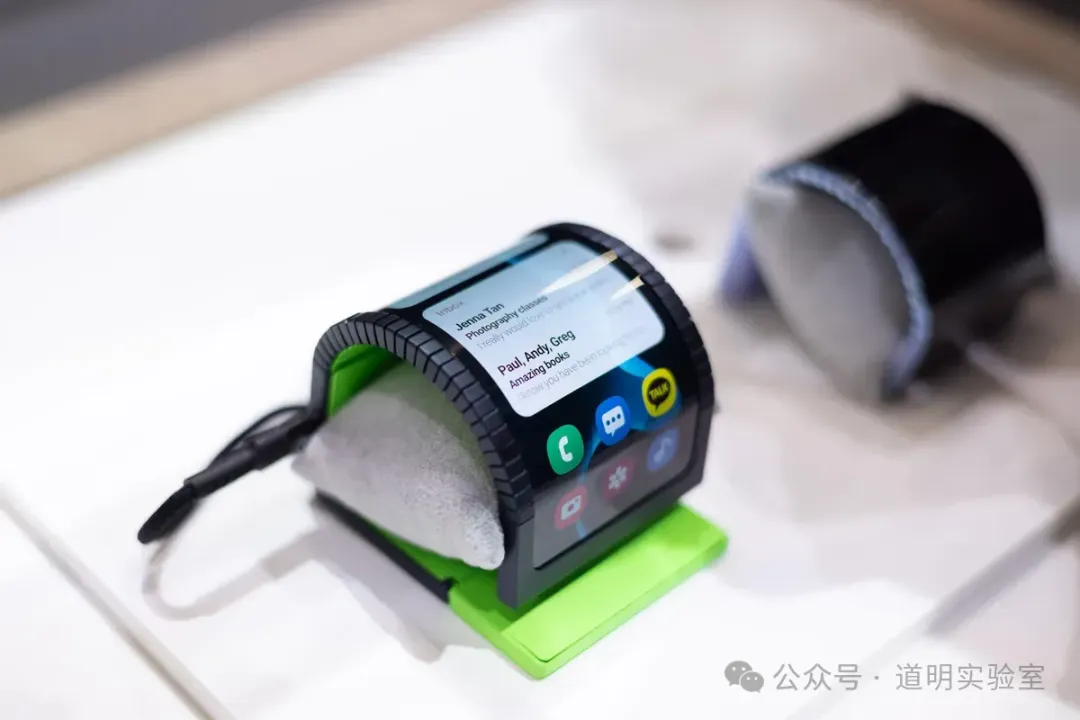
Source: CNet
If it actually reaches mass production and integrates AI features, it has the potential to be a hit AI hardware product. Samsung has the display technology to experiment freely, and that's a good thing.
3. Smartphones: Facing the Future
Mobile OS startup Jolly (founded in 2011, surprisingly) presented a concept phone called Jolly Mind2, featuring its own operating system and AI generation capabilities.
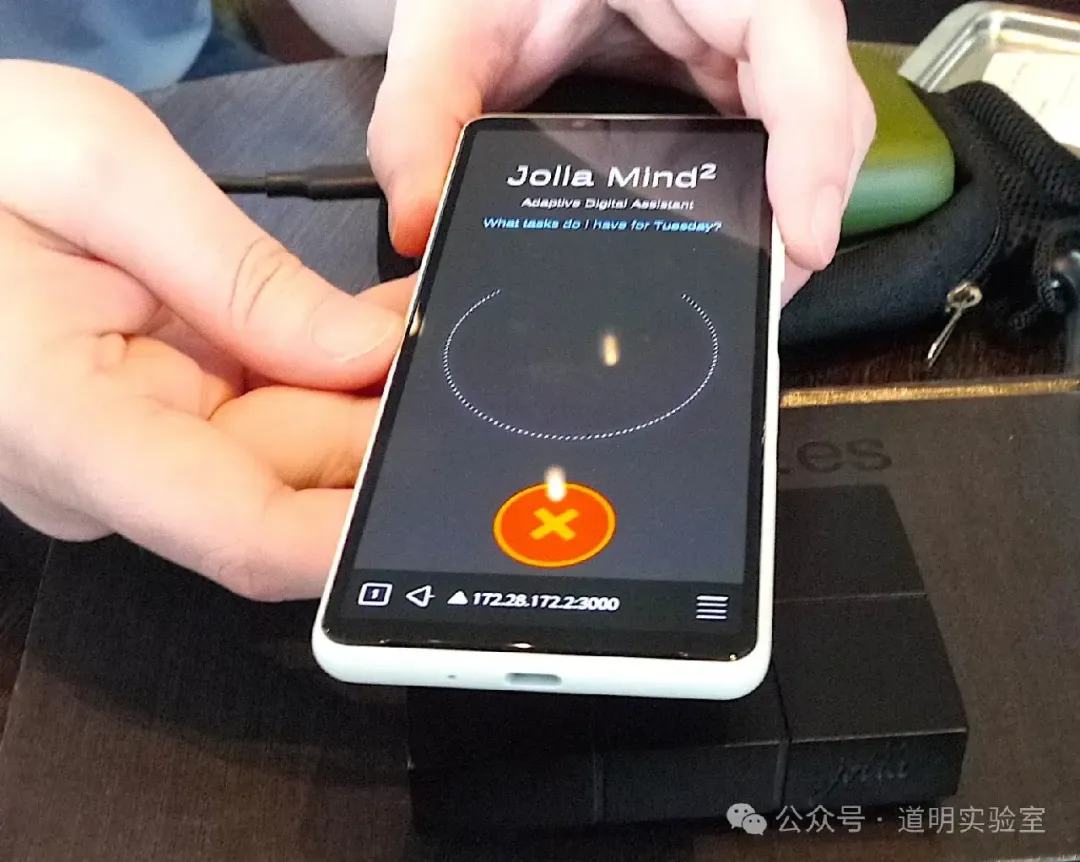
Source: TechCrunch
There's also the "App-Free" concept phone from Deutsche Telekom in collaboration with Brain.AI. It essentially integrates an app called "Natural" developed by Brain.AI into the phone, using AI to replace app functions.
Adding AI to traditional phones makes them "AI Smartphones." Devices like AI Pin or Rabbit R1 aim to replace phones as AI mobile assistants. For these two examples that look like phones but act as "AI Assistants," it's hard to say what to call them.
Aside from major phone manufacturers and Microsoft, it is nearly impossible for outsiders to shake the smartphone OS landscape. Therefore, AI devices meant to replace phones are more likely to be called other "AI Hardware" rather than a completely different "AI Phone."
4. Lenovo's Transparent Laptop
This machine is truly cool. Regardless of sales potential, Lenovo has worked very hard over the past year, with products like the Legion Go handheld, the aforementioned bendable phone, and now this transparent laptop. Additionally, Lenovo mentioned plans for a self-developed OS; there is a real opportunity for a new desktop operating system.
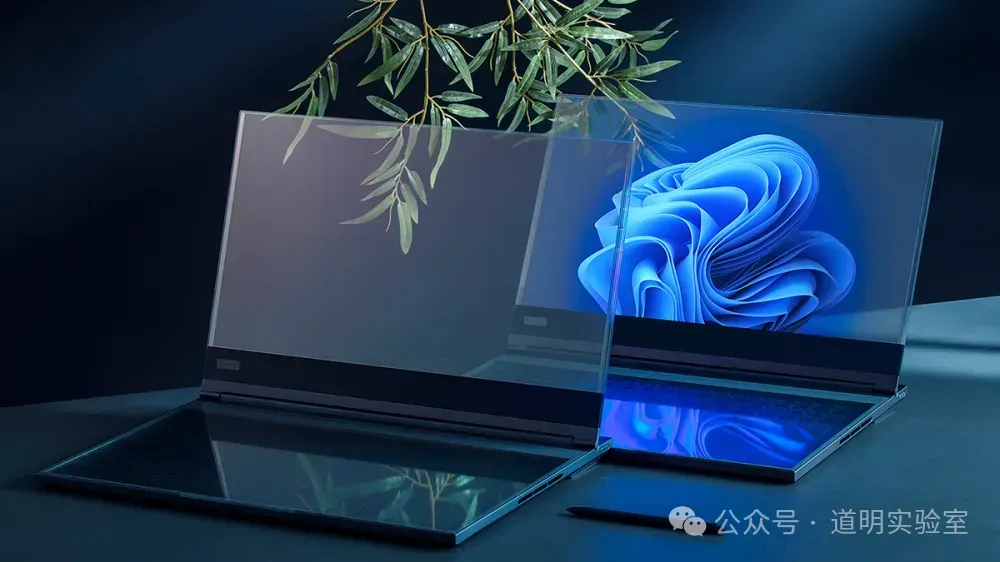
Source: Lenovo
5. Samsung: Smart Ring
Rings have a lot of potential for imagination and integration with existing hardware. Due to their small size and high precision requirements, the technical barrier is high. They also struggle to exist independently, requiring a strong hardware ecosystem. Samsung is certainly pushing hard here; it will be interesting to see what kind of MR glasses they launch this year.
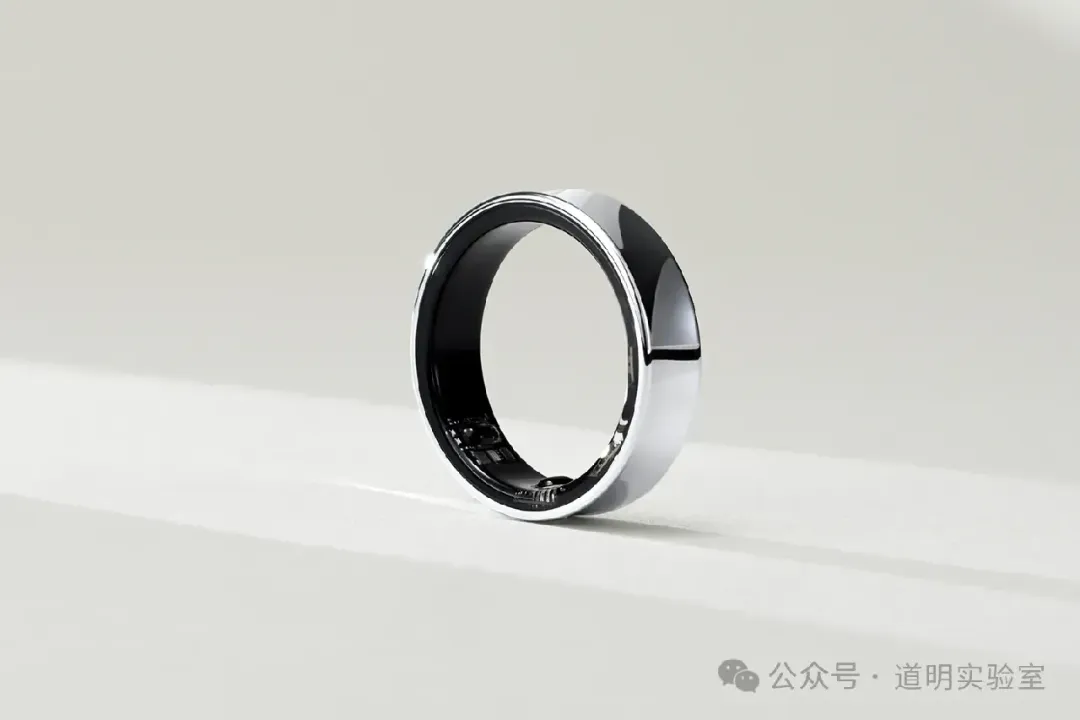
Source: Brian Heater
6. Qualcomm: AI Hub
Qualcomm introduced a new AI technology stack called AI Hub.
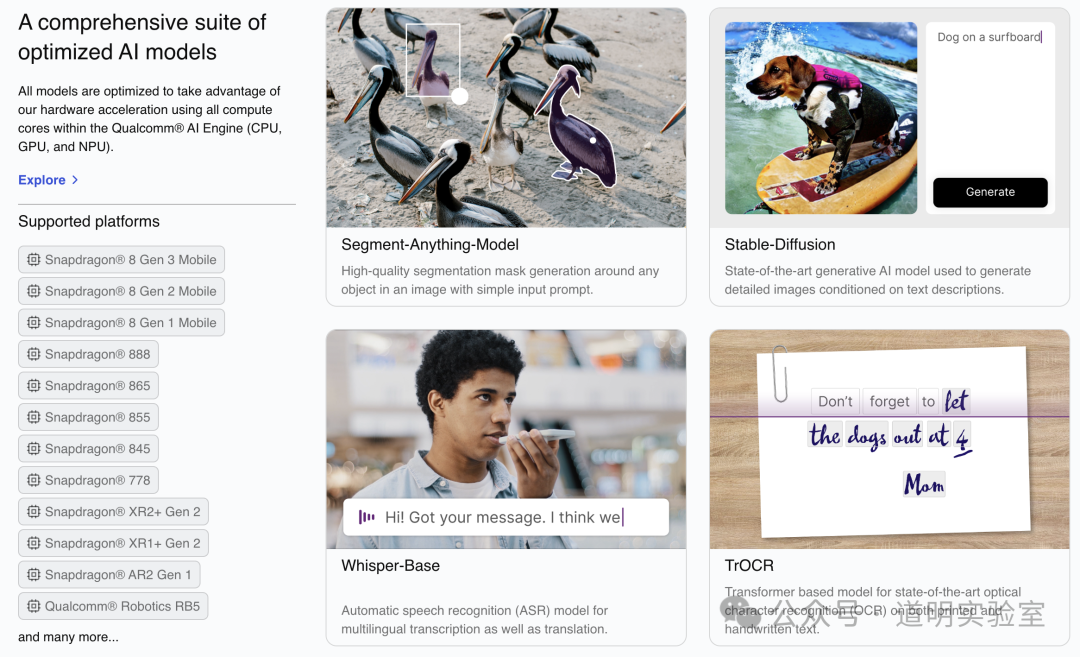
Source: https://aihub.qualcomm.com/
This is a B2B platform. It appears compatible with various mobile devices, including phones, glasses, and robotic platforms. It can deploy a range of models, including Whisper for voice recognition, Stable-Diffusion for text-to-image, OCR, and even the Baichuan-7B model.
It looks very comprehensive, offering model translation (device adaptation), compilation, and deployment functions. It seems like a development platform, but I say "seems" for a reason.
I have a bit of doubt: who is this for? App developers? There are already convenient development frameworks available, and integrating models is easy. Hardware manufacturers? The supported devices belong to major phone brands who likely interface with Qualcomm directly rather than through this B2B-style platform. New AI hardware? Startups developing AI hardware usually prefer chips like Raspberry Pi or developer kits, or high-end options like NVIDIA’s Jetson series running Linux, which are often more convenient.
So, regarding AI, whether for mobile or PC, Qualcomm has put a lot of effort into the silicon, but there is still much to catch up on regarding the ecosystem.
Summary
The best models run in the cloud and can be monetized through subscriptions, but many scenarios require models to run "On-Device." This is one of the foundational logics for AI hardware demand. Another is data privacy, though this remains a highly debated topic. Even with just the first factor, the room for imagination in AI hardware is larger than cloud models, the market will be bigger, and manufacturers will have control over more links in the chain.
While product refinement is a long-term process, the opportunities brought by iterations in display technology, the fusion of new operating systems and hardware forms driven by interaction changes, and personalized AI development will accommodate a larger number of players. 2024 has only just begun, and for our traditional supply chain analysis frameworks that calculate "volume and price," the change has only just started.