As promised in my previous post, I have created a Slide Deck with better image quality, fulfilling the unlock conditions. It is now officially released, though it is primarily used within the Build section of AI Studio. The link is: https://ai.studio/apps/drive/1YXRBHTTiv930pv1zyhs7R5DOlN2SCVSP.
I've also included some brief reflections following the release of Gemini-3 at the end of this article. For a better reading experience, I’ve pasted them below as well:
In the two weeks since the release of Gemini-3-Pro, and especially Nano Banana Pro, I have completed the upgrade of all useful tools for the 2.5 era. For the next three months or more, I should be able to spend more time exploring new fields.
Objectively speaking, there are improvements in Gemini-3-Pro, but I believe the difference is not obvious to most users. From a technical perspective, we can certainly say there is still significant room for improvement in both Pre-Training and Post-Training, but this will eventually become a question of cost-performance ratio.
Nano Banana Pro certainly offers entirely new areas of application. However, this once again brings two issues to the forefront: a. The experience, systemic control, and creativity of professionals become the most critical core, rather than the model itself—"model equity" or "tool equity" is actually unfair; b. Willingness and ability to pay. I admit a tiny minority of professionals can leverage AI model outputs to gain a higher premium from their end users and are thus more willing to pay API fees. But for most, the efficiency gains or so-called cost savings brought by AI will be leveled out by more intense competition for end users; the "involution" (internal competition) will only intensify.
If the digital world is running faster and faster, perhaps we should play more and enjoy more in the physical world. Perhaps going where there are more people will make it easier to find one's proper place.
Now, for the official introduction of the application.
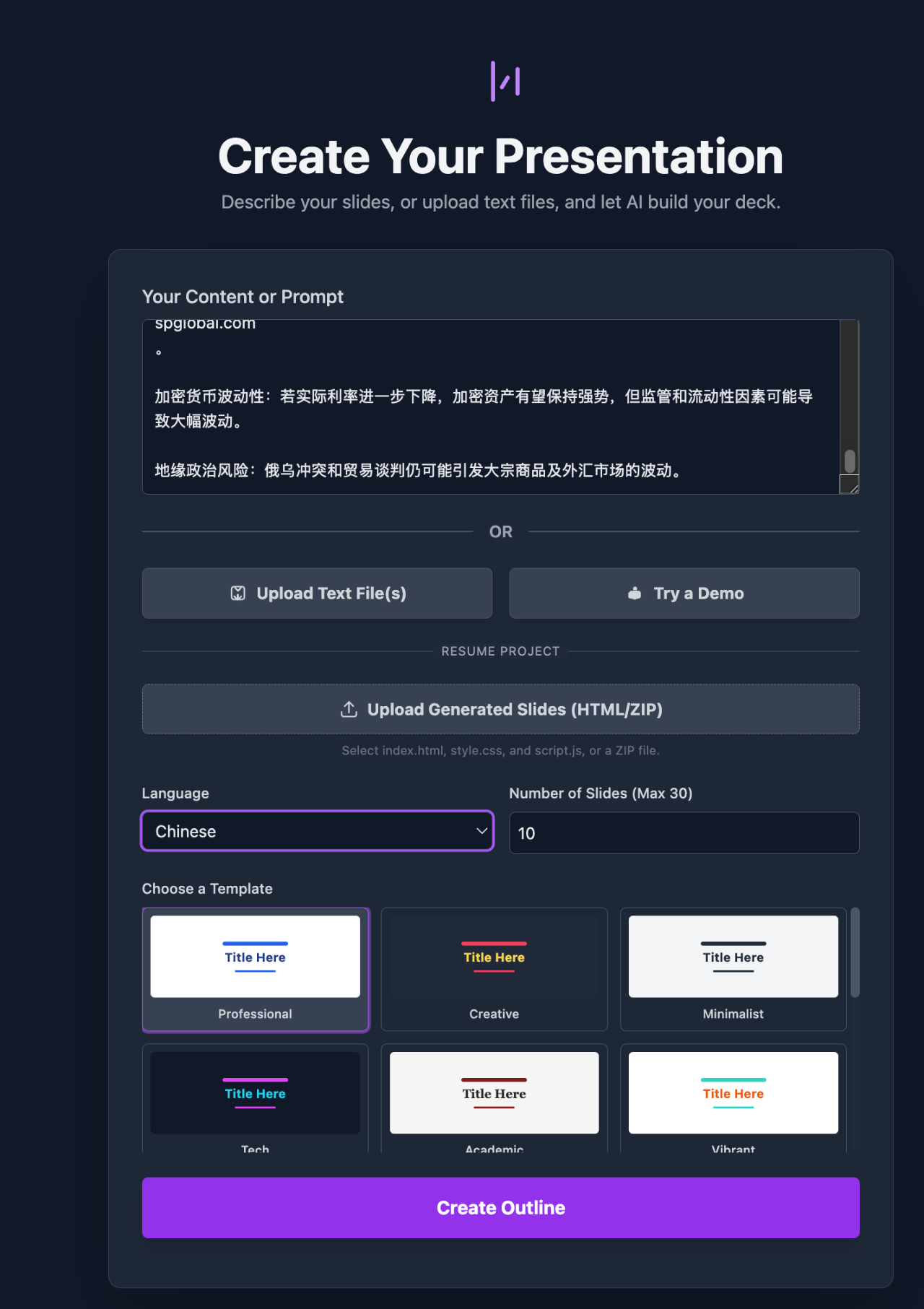
This is an expansion of my previous Slide version, adding support for generating image slides using the Nano Banana Pro model.
It supports text as input, language selection, and 15 template choices. For example, using today's market report text as input:
It supports editable outlines.
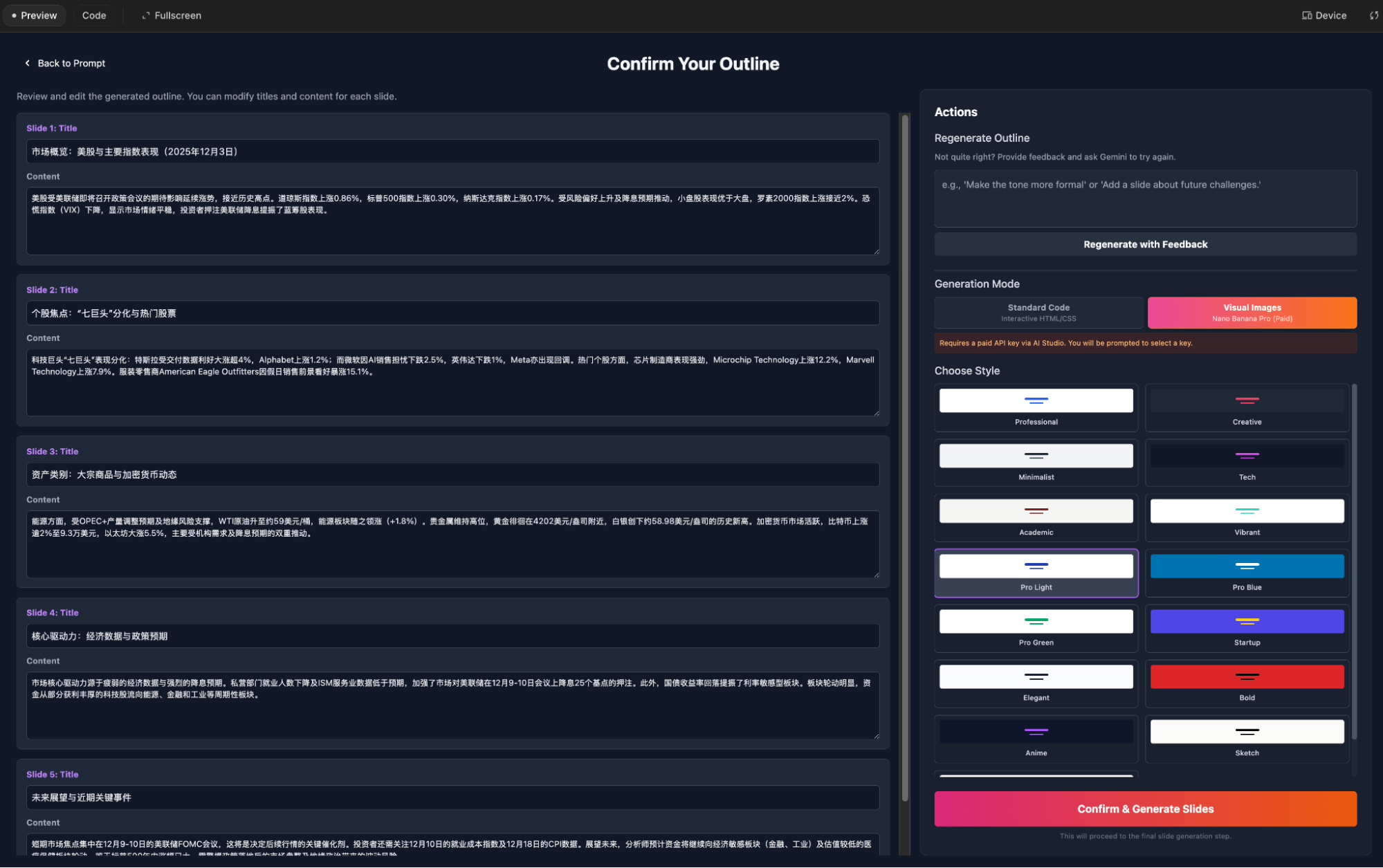
As shown above, after editing the outline, you can choose between two modes on the right: an interactive webpage or Nano Banana Pro image generation (the first time will prompt you to bind a paid API Key).
You can also adjust the template selection here.
If you choose the image generation mode, you will enter the generation and preview page. You can select resolutions (1k, 2k, 4k) in the top right corner (watch your wallet; I find 2k offers a good balance). You can generate all at once, page by page, or regenerate.
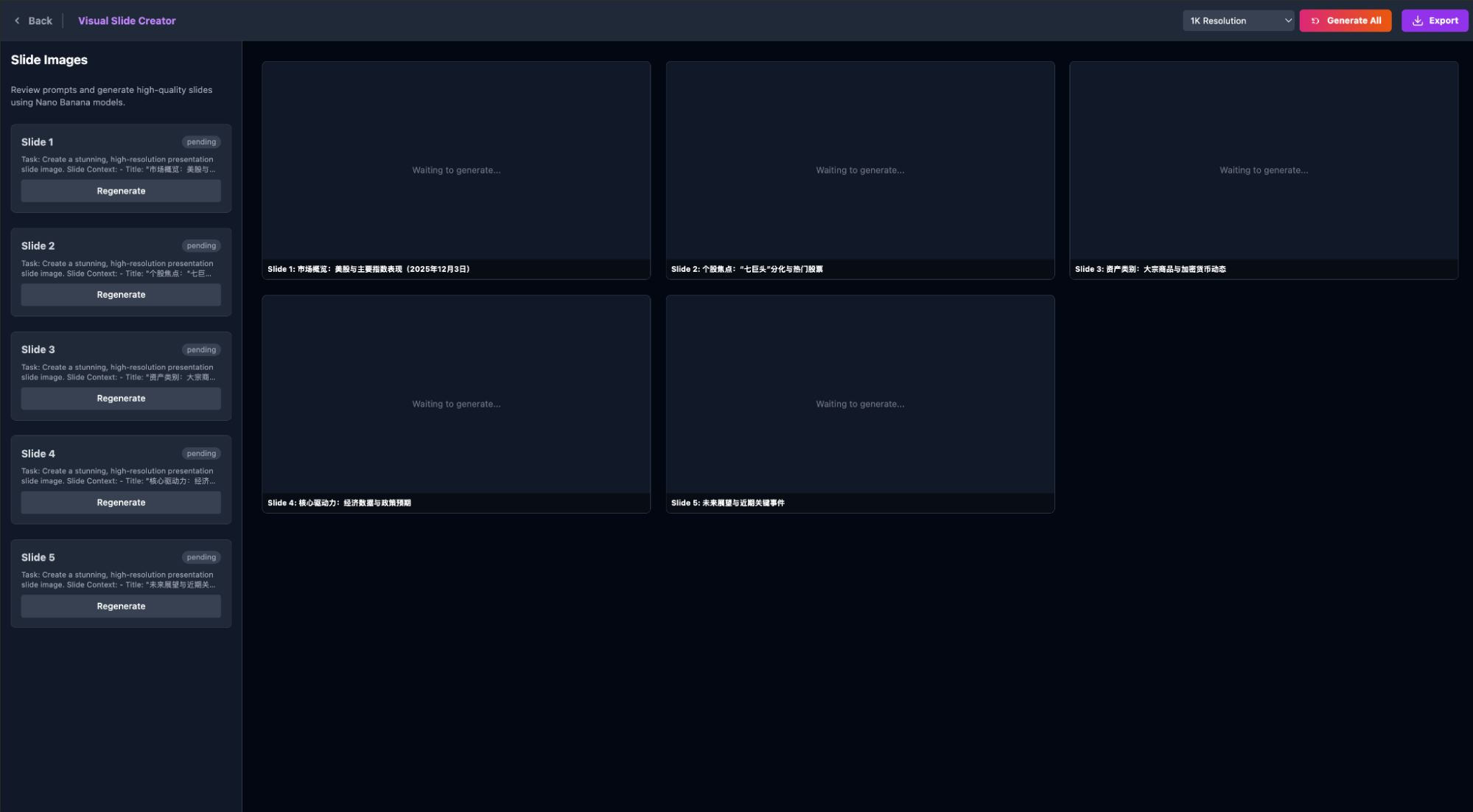
Currently, during the daytime in UTC+8, server pressure is significantly lower. The generation time for 2k resolution is roughly under one minute per image.
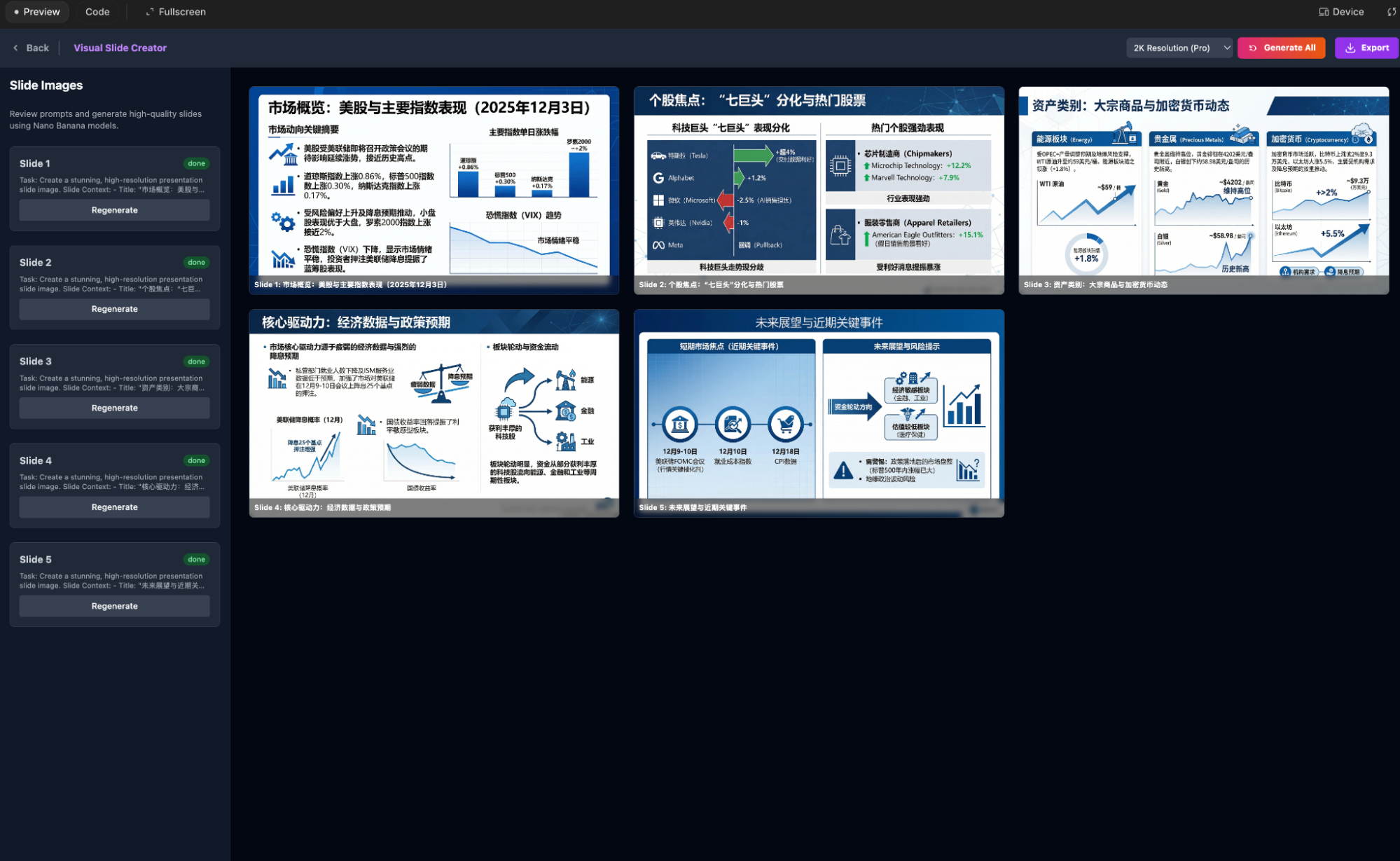
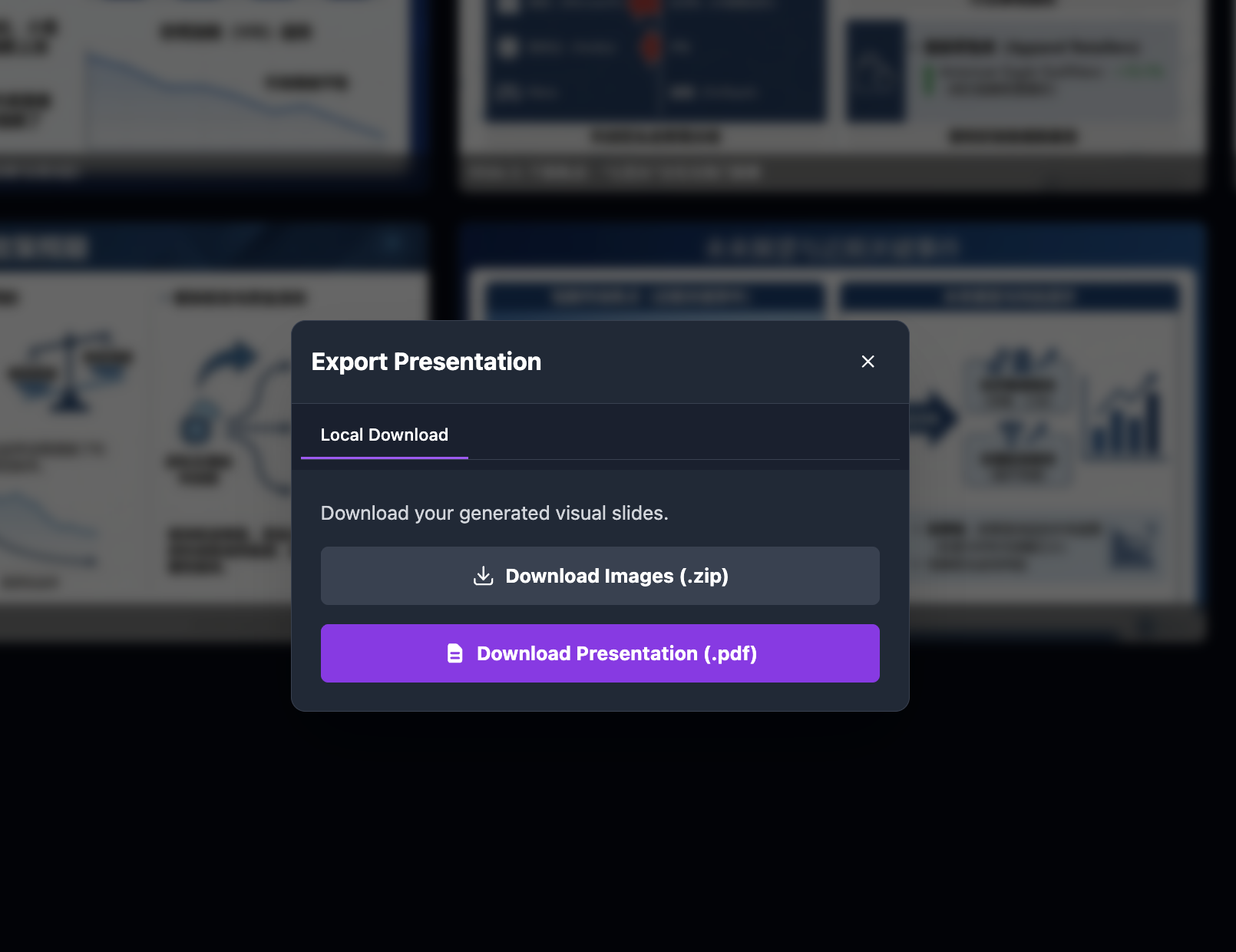
Once generated, you can download the images as a package or directly as a PDF.
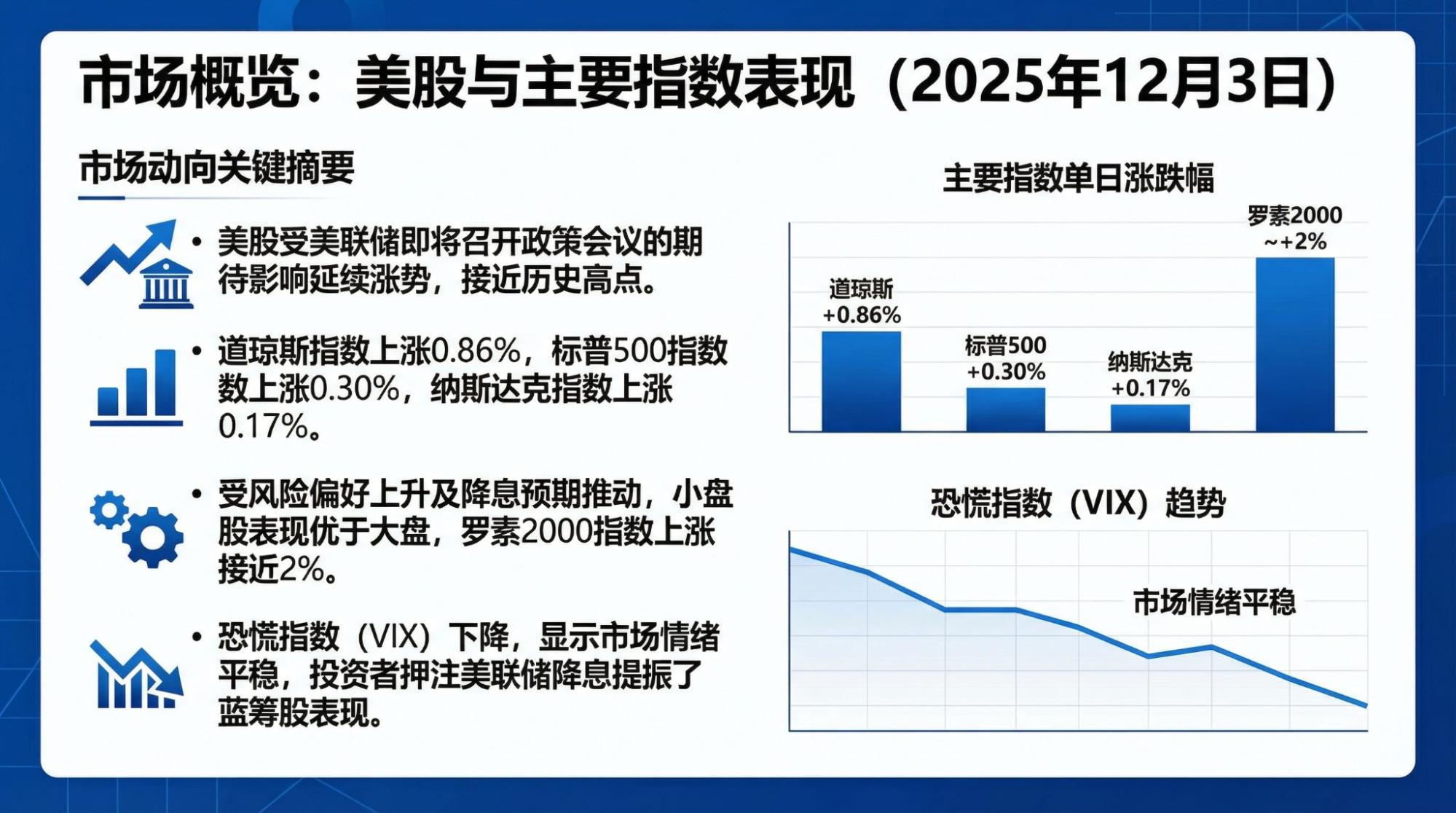
Each image looks like the following. I chose a professional blue style, which looks more like something from a major consulting firm. At 2K resolution, there are basically no obvious issues with text rendering in the content area, though very small text, like in footnotes, might have issues.
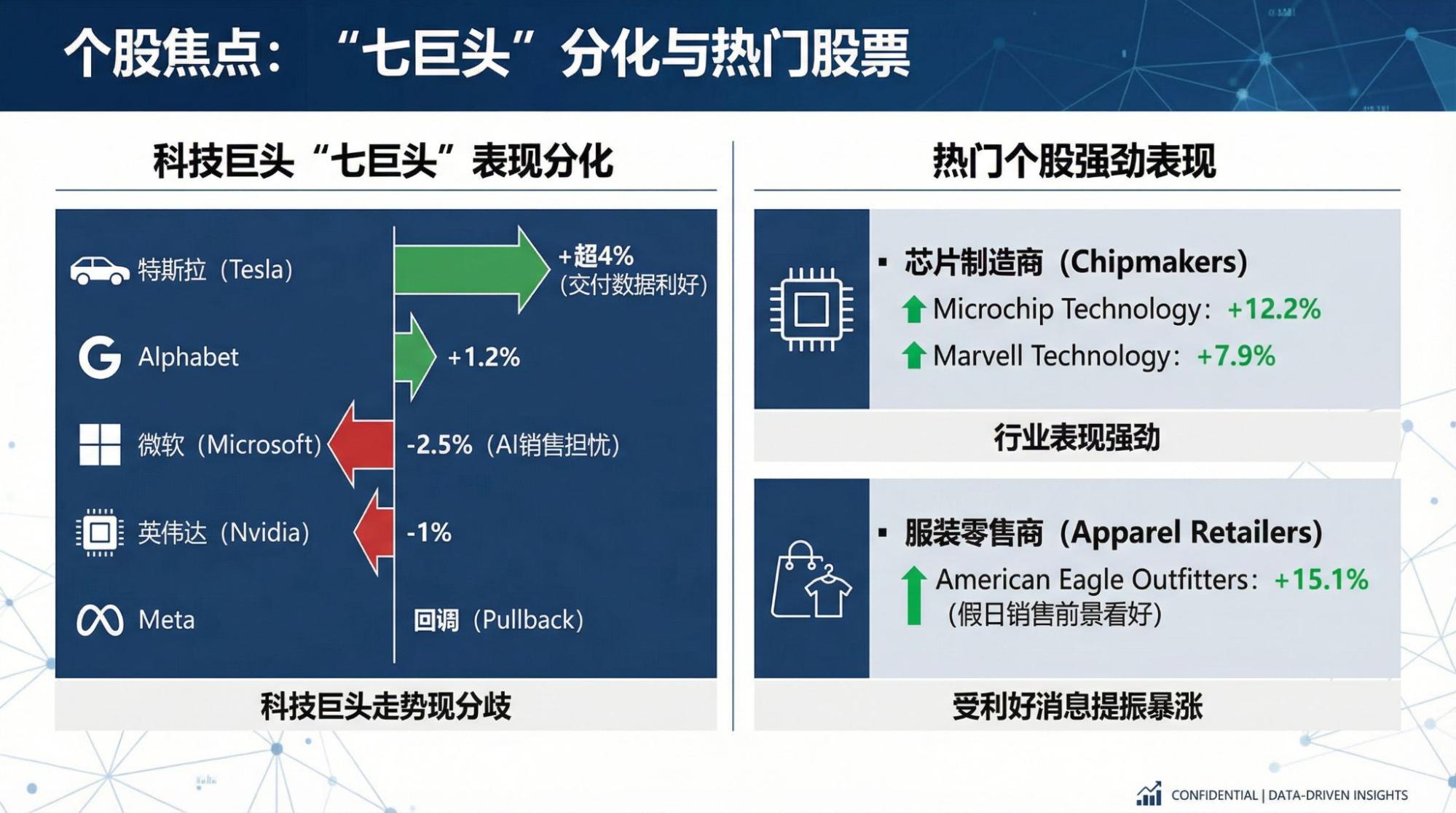
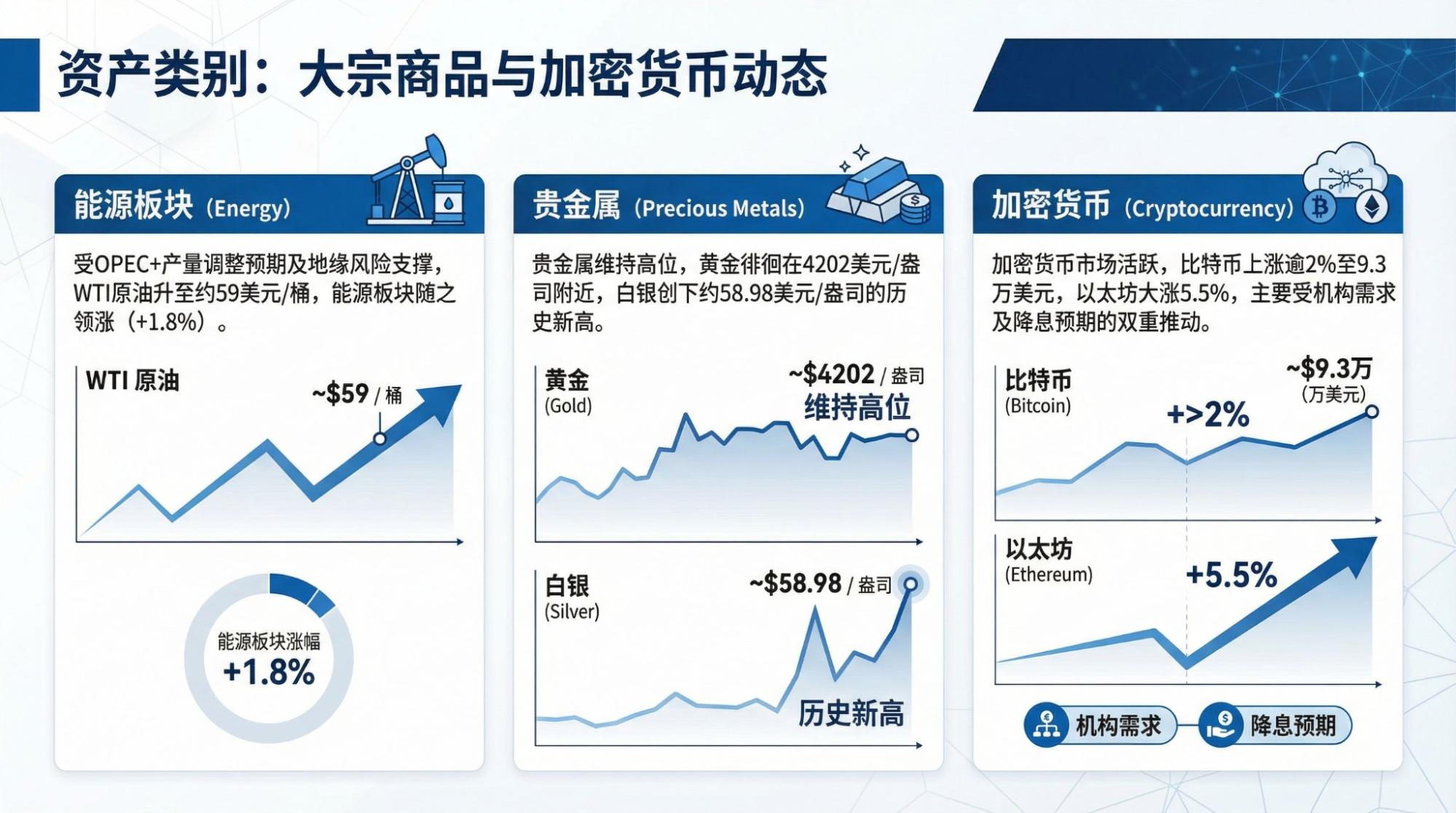
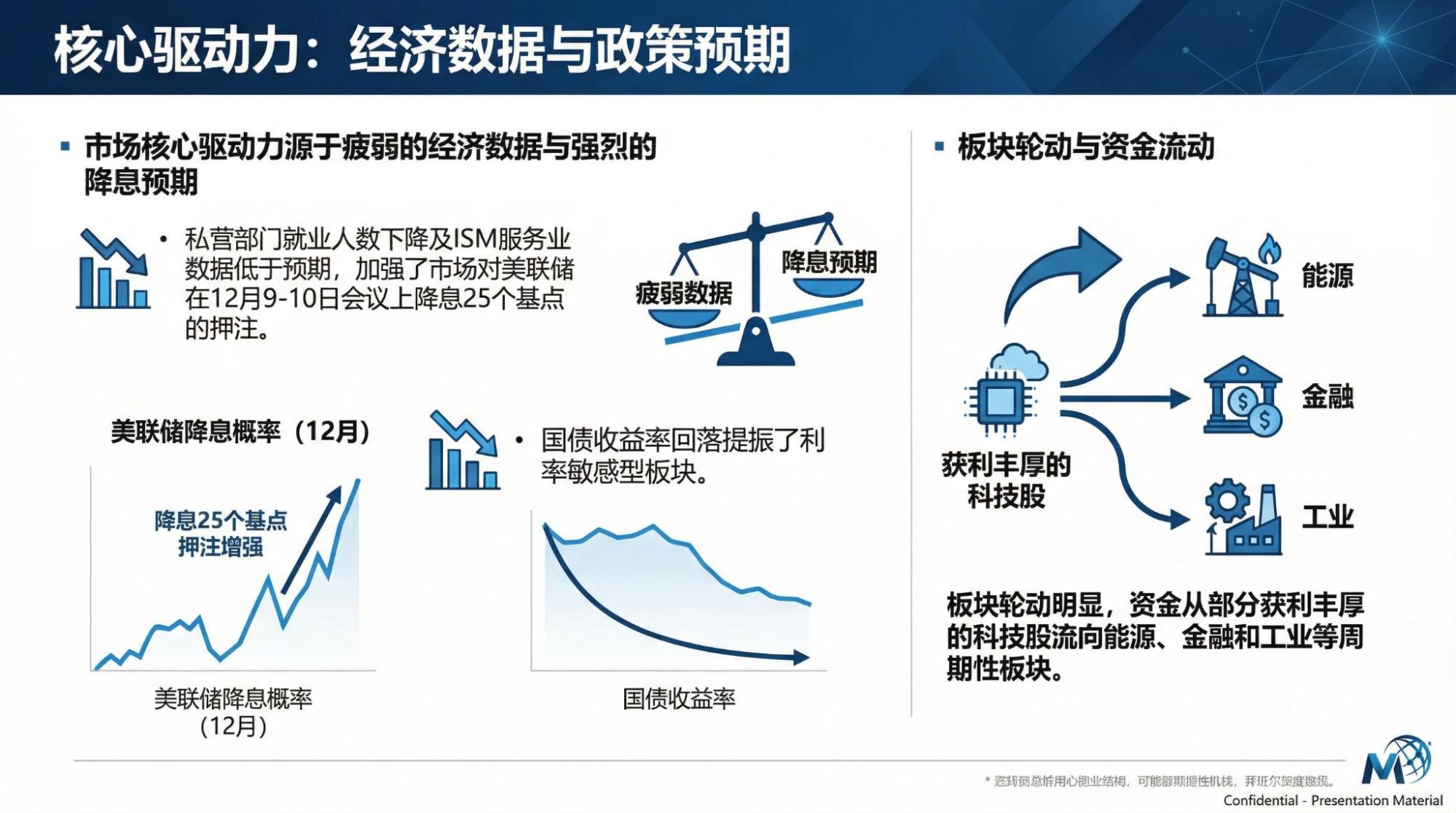
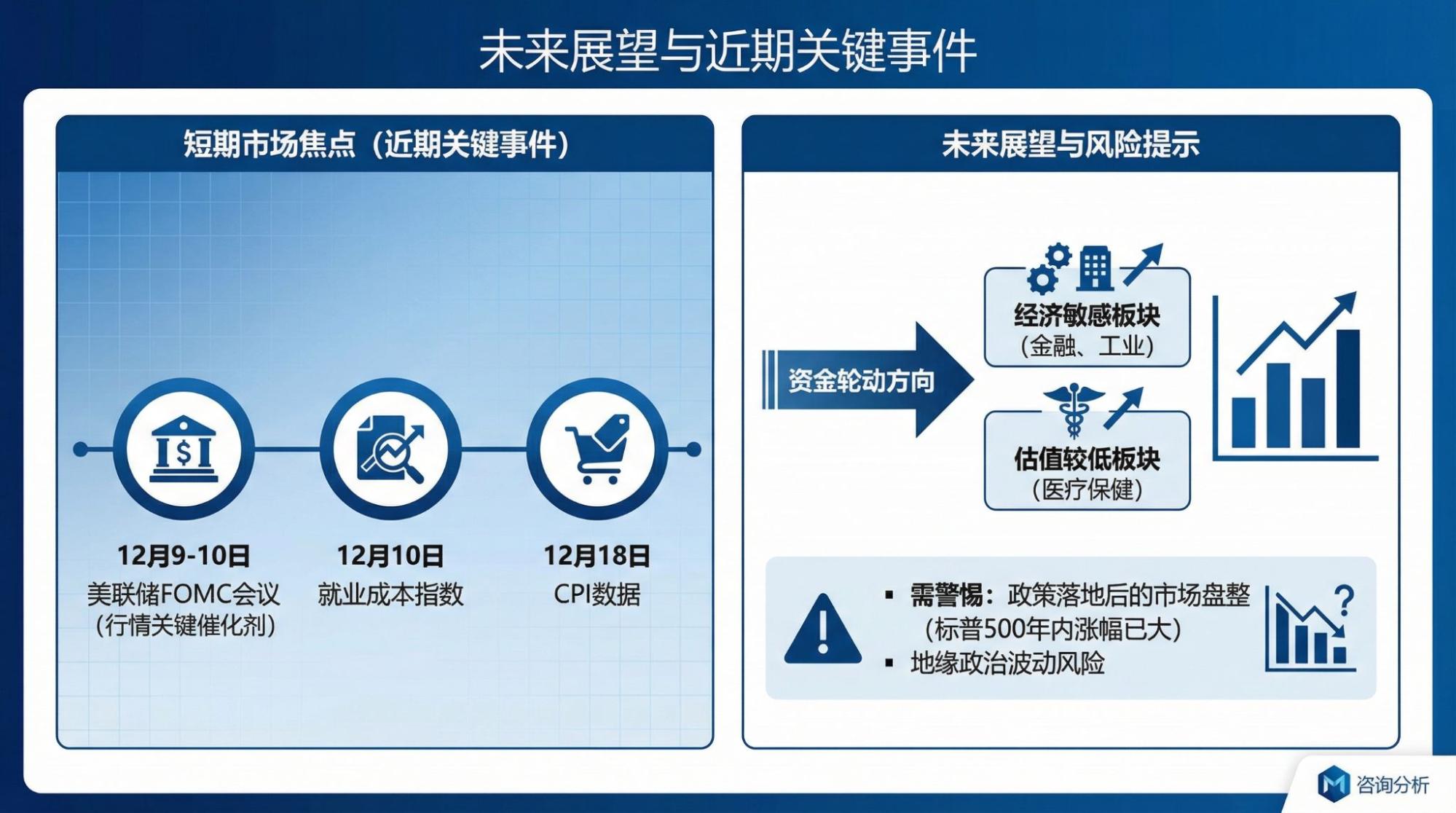
As calculated in my previous post, each image costs a bit over 50 cents.
From a producer's perspective, I think the cost is manageable, but for personal experimentation, it depends on individual circumstances.
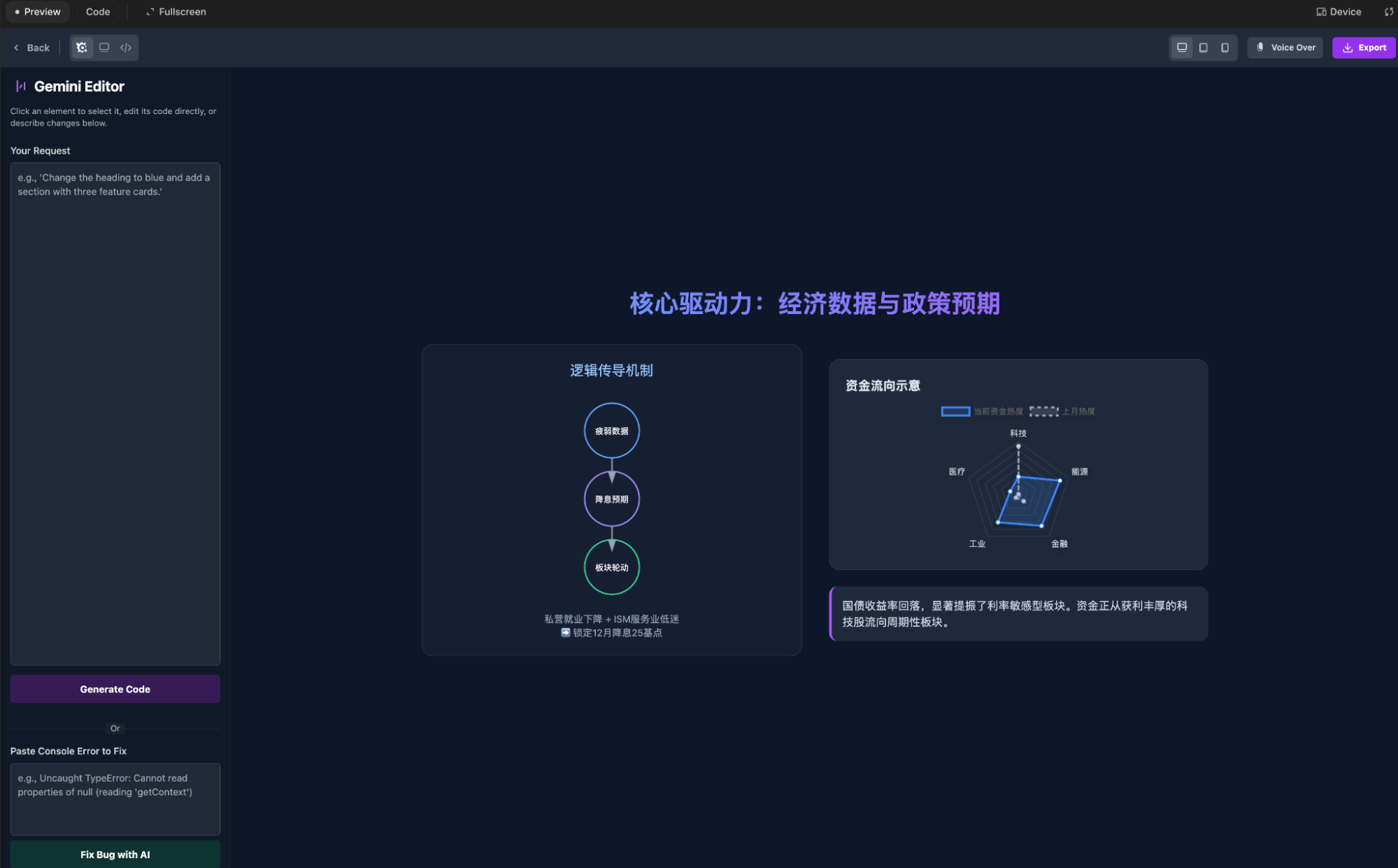
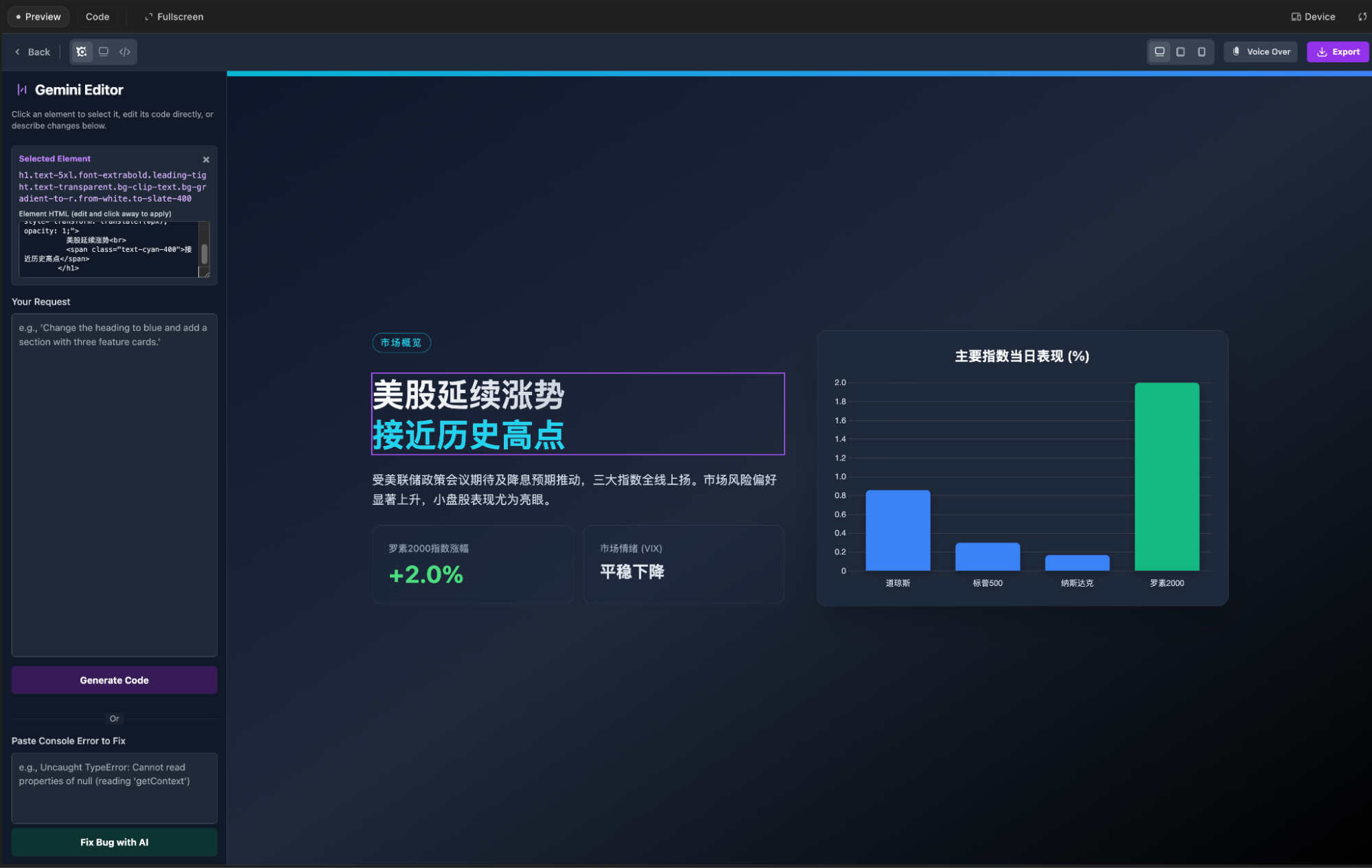
Of course, if you want to save costs, you can choose the interactive webpage output, which is zero-cost. It includes dynamic effects, is editable, and supports Voice Over and auto-play (convenient for screen recording). It depends on the specific scenario and preference.
Honestly, because this version is called the "Pro" version, I've kept an "Ultra" version for myself, which includes several personal-use features and templates, haha.
Finally, some reflections:
In the two weeks since the release of Gemini-3-Pro, and especially Nano Banana Pro, I have completed the upgrade of all useful tools for the 2.5 era. For the next three months or more, I should be able to spend more time exploring new fields.
Objectively speaking, there are improvements in Gemini-3-Pro, but I believe the difference is not obvious to most users. From a technical perspective, we can certainly say there is still significant room for improvement in both Pre-Training and Post-Training, but this will eventually become a question of cost-performance ratio.
Nano Banana Pro certainly offers entirely new areas of application. However, this once again brings two issues to the forefront: a. The experience, systemic control, and creativity of professionals become the most critical core, rather than the model itself—"model equity" or "tool equity" is actually unfair; b. Willingness and ability to pay. I admit a tiny minority of professionals can leverage AI model outputs to gain a higher premium from their end users and are thus more willing to pay API fees. But for most, the efficiency gains or so-called cost savings brought by AI will be leveled out by more intense competition for end users; the "involution" will only intensify.
If the digital world is running faster and faster, perhaps we should play more and enjoy more in the physical world. Perhaps going where there are more people will make it easier to find one's proper place.