With the release of Google and Amazon's financial reports, the first half of this earnings season has essentially concluded. Moving forward, the most important ones to watch will be Nvidia and Micron, while Oracle and Coreweave will also serve as vital validations.
However, market volatility has already been significant, compounded by various factors, so I am providing some new updates here.
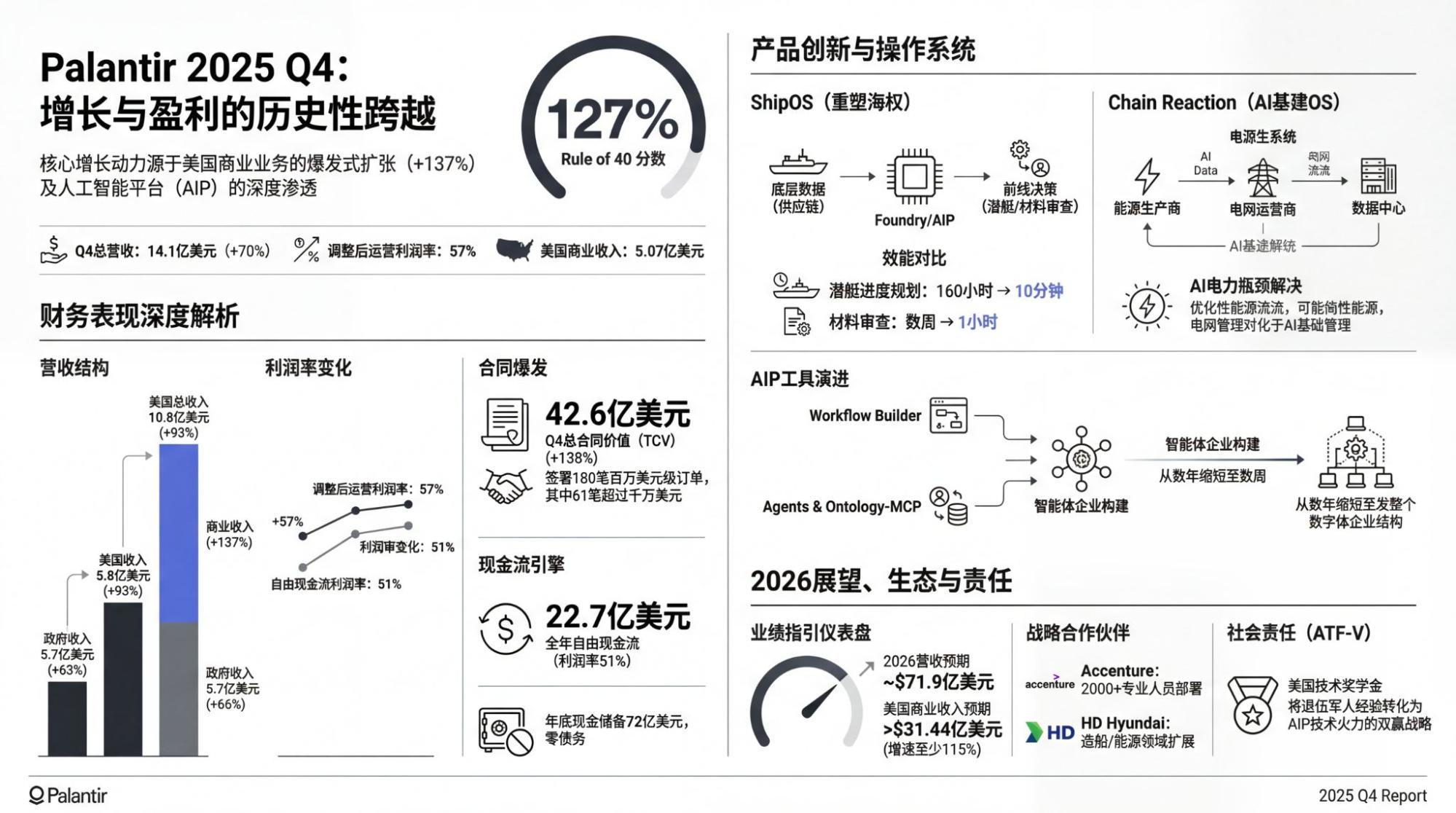
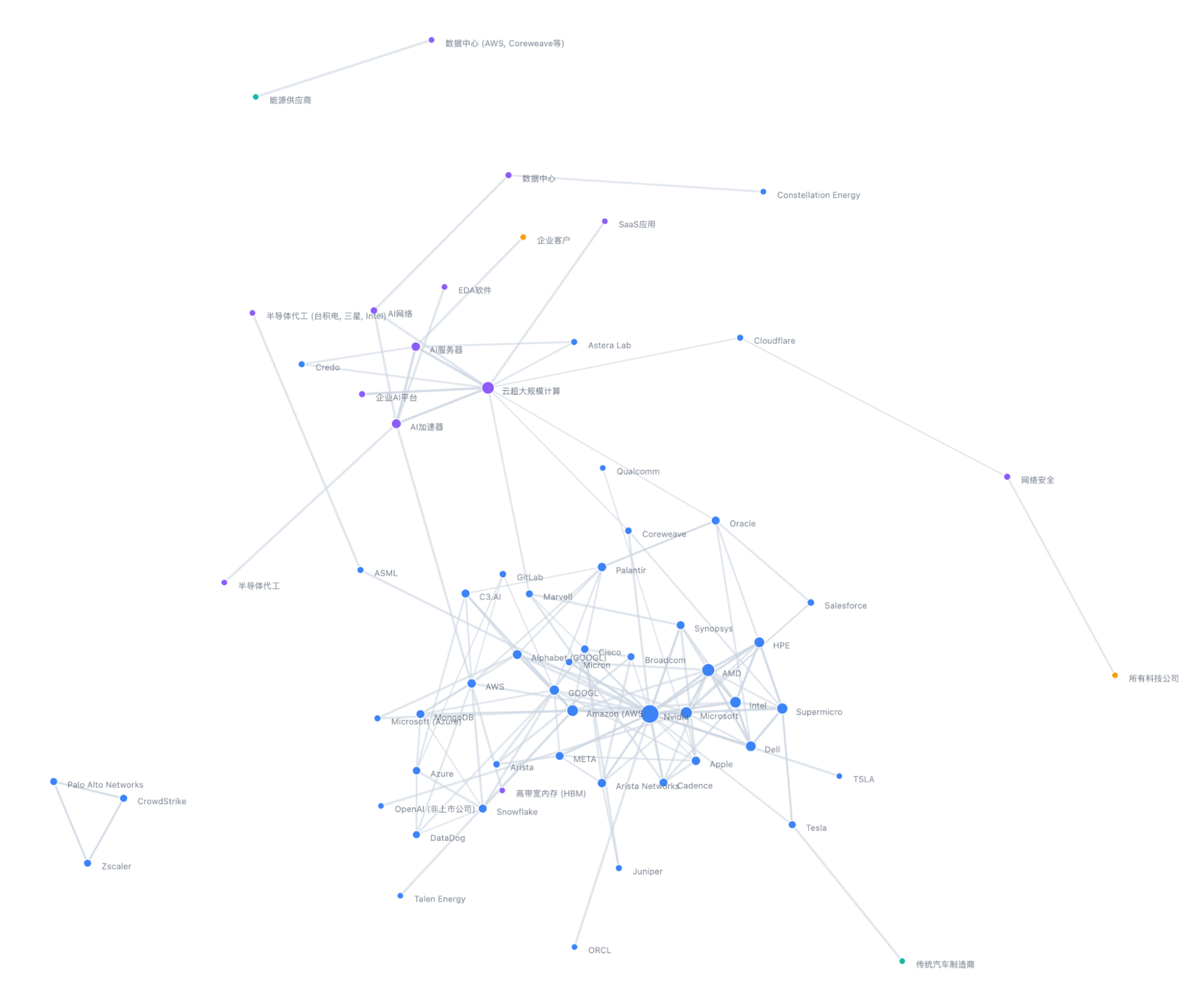
First, here are the visualizations of several companies, all based solely on official company data.
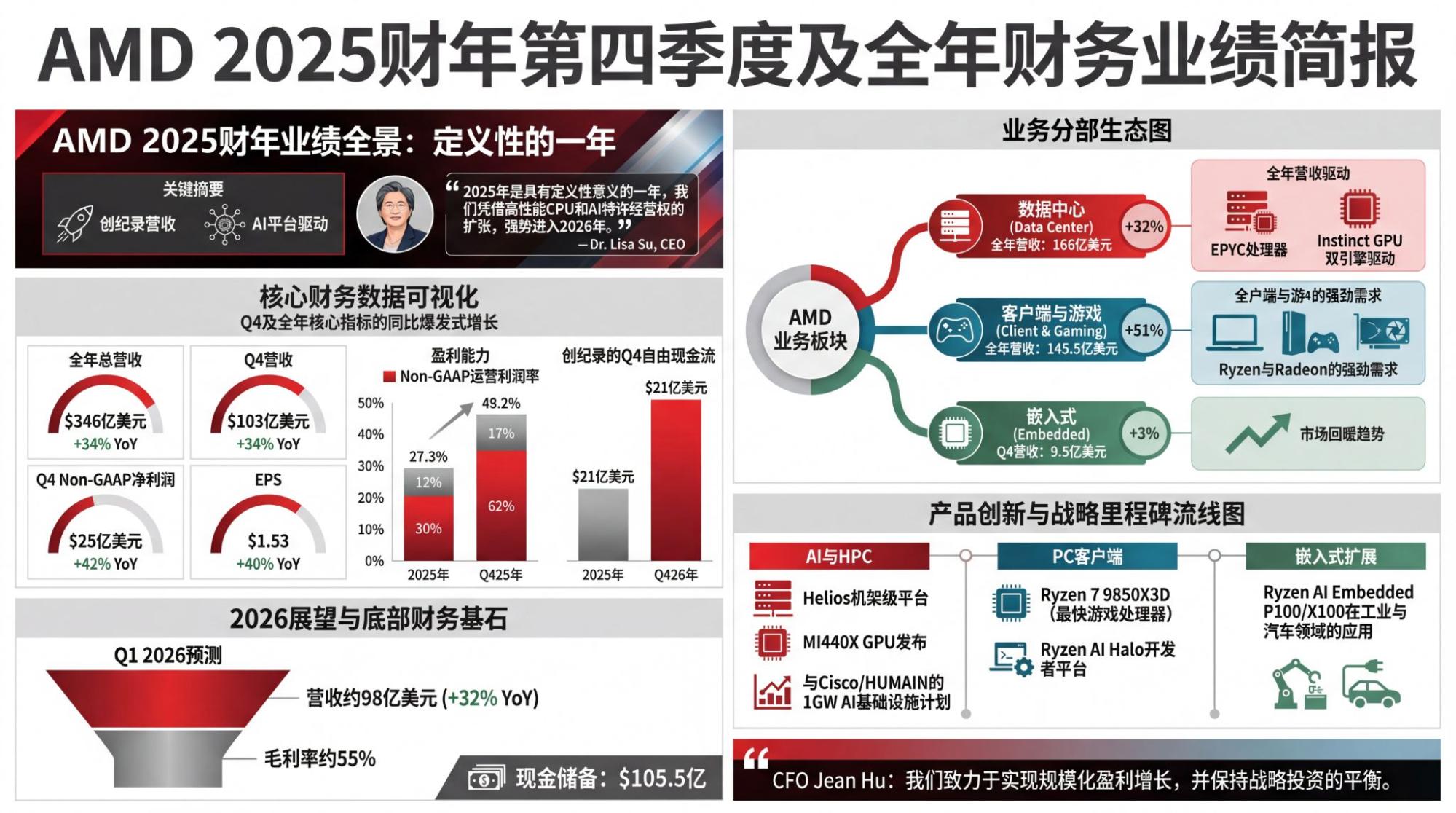
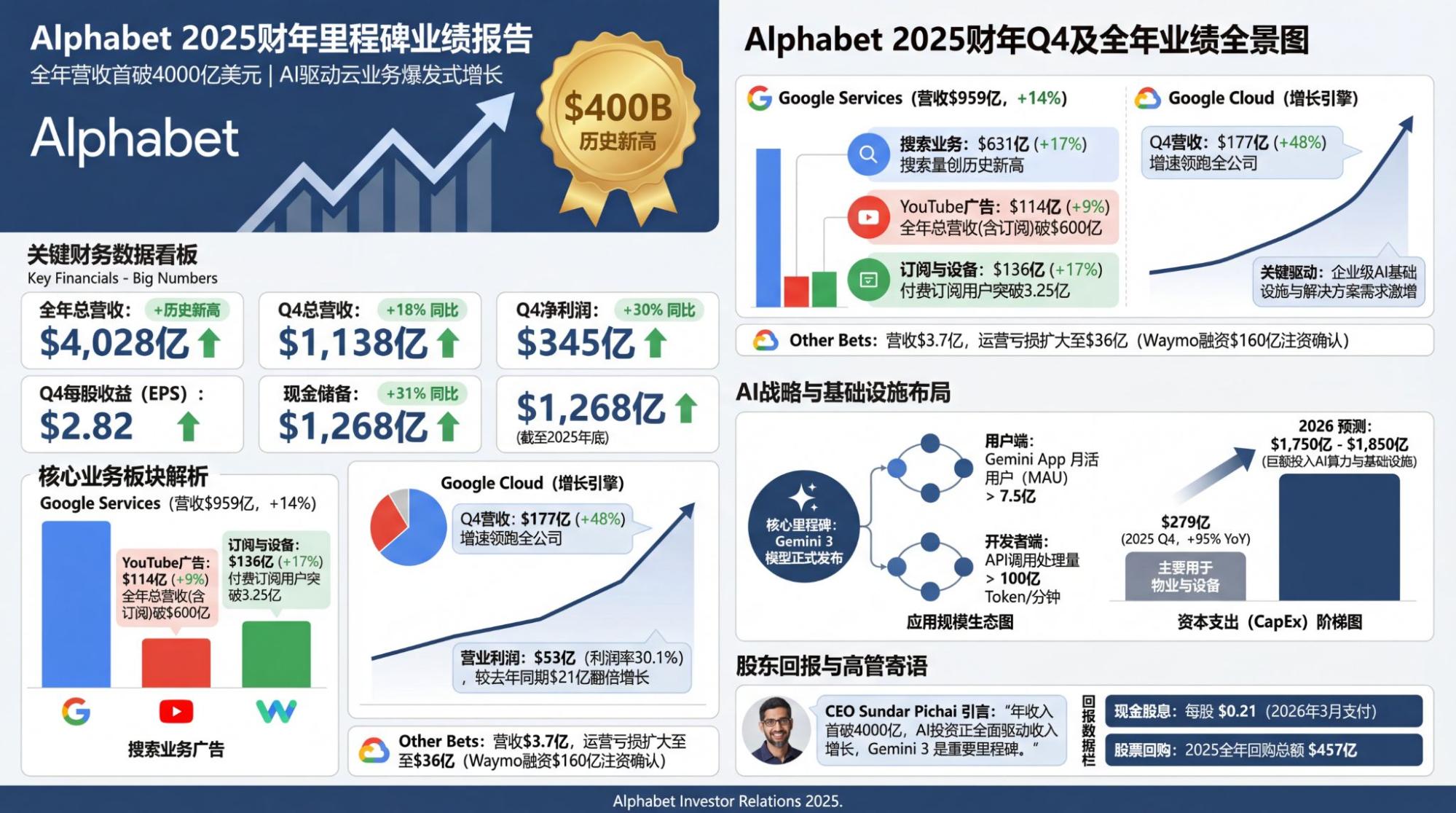
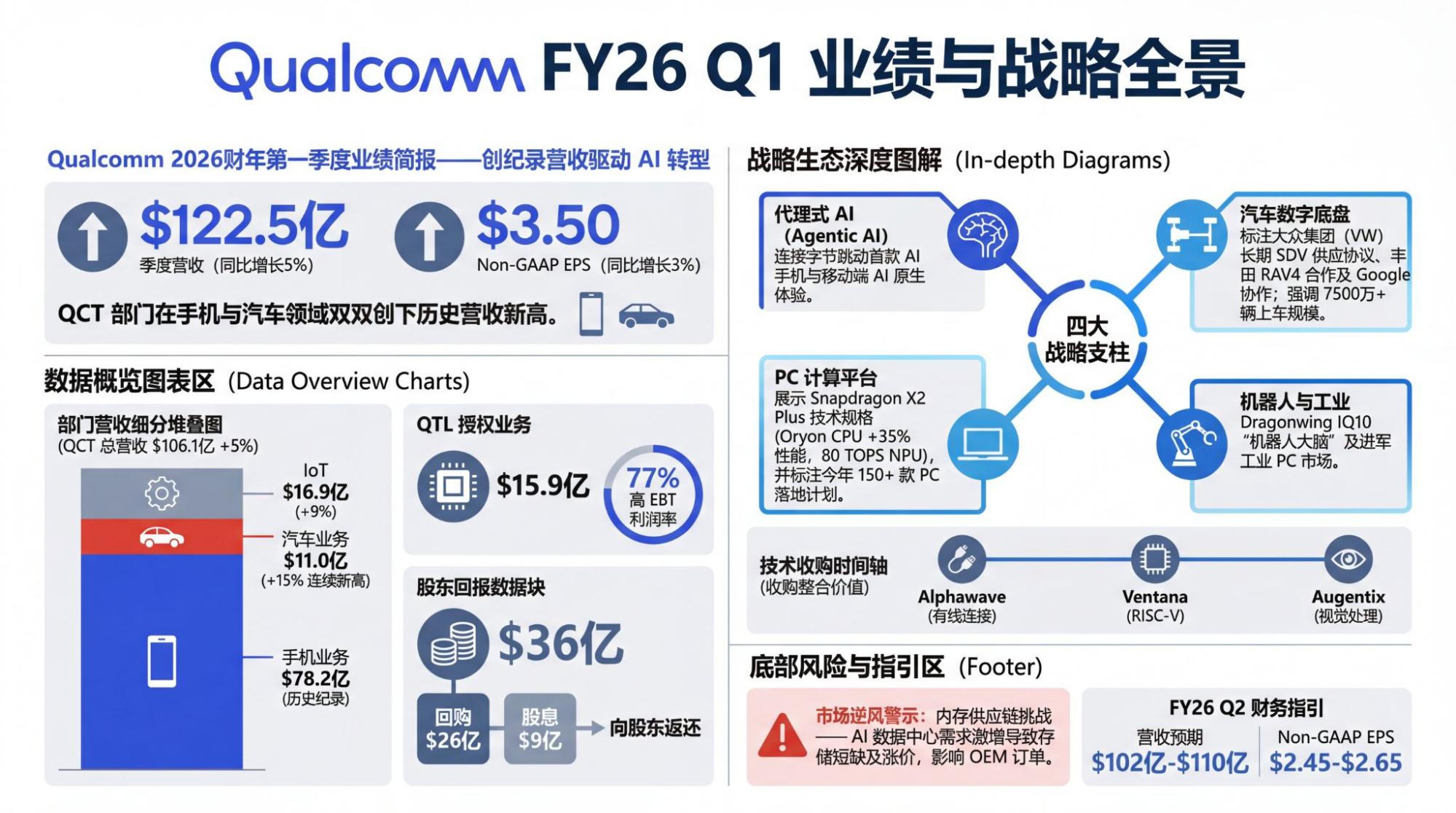
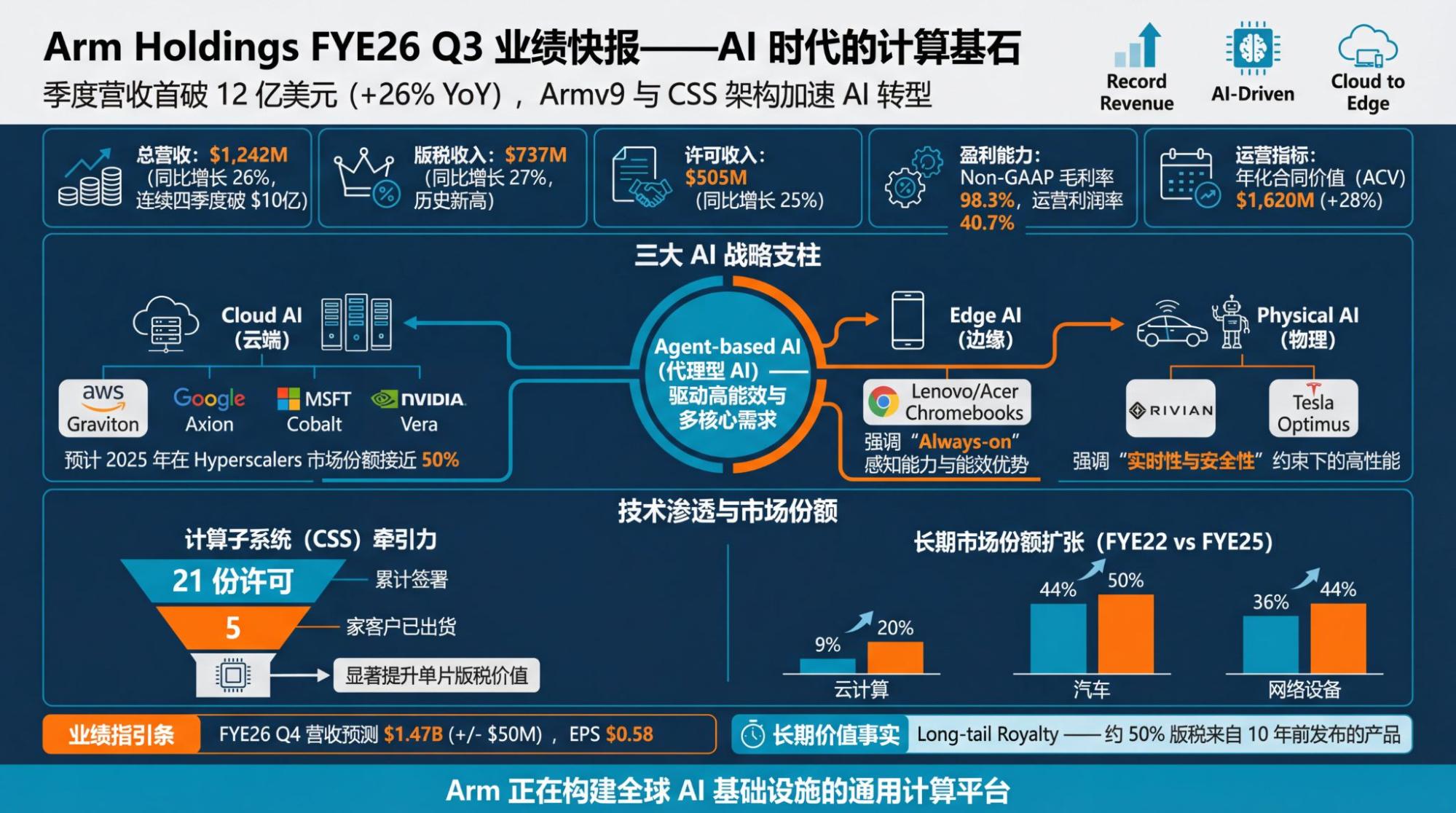
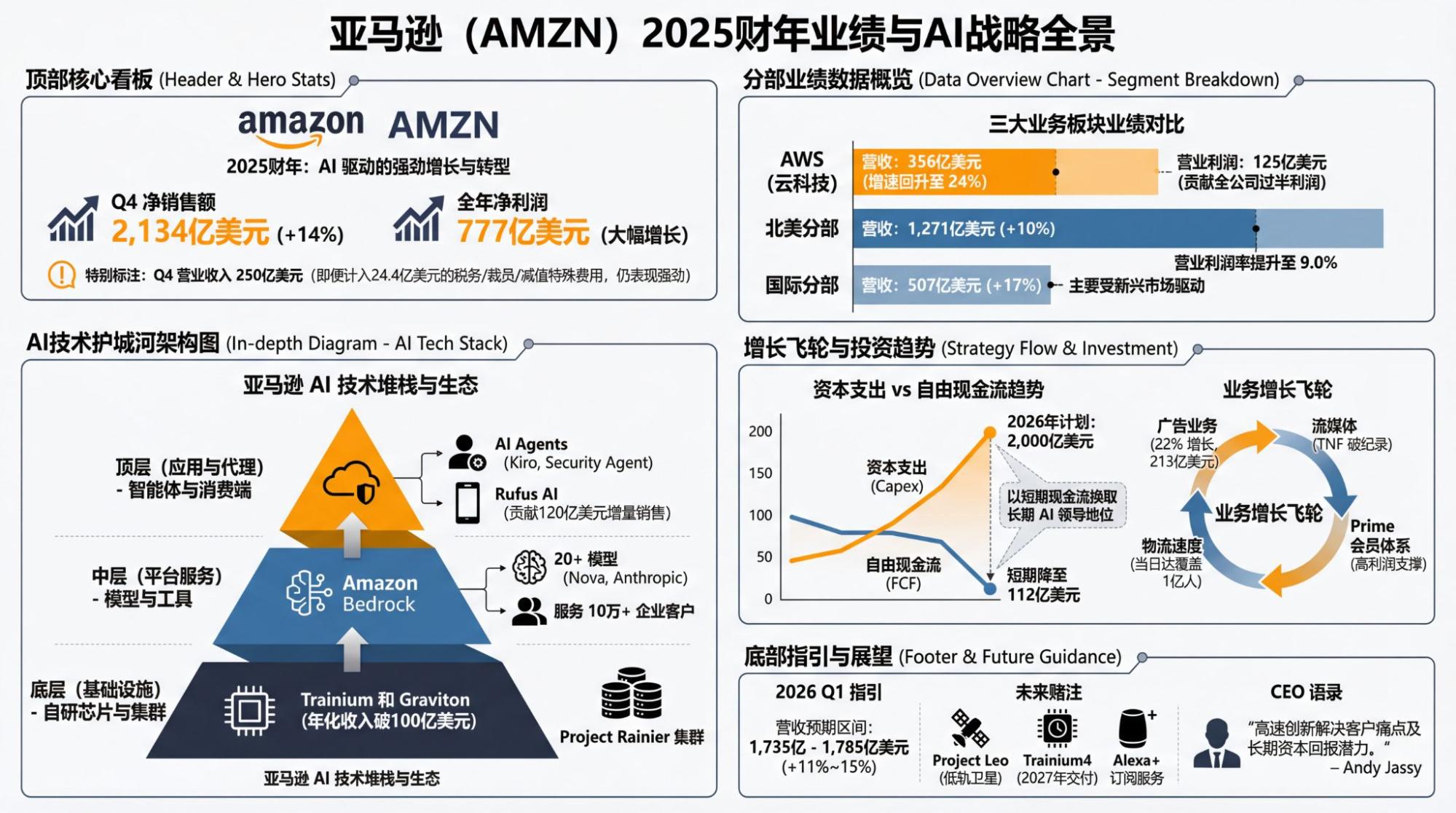
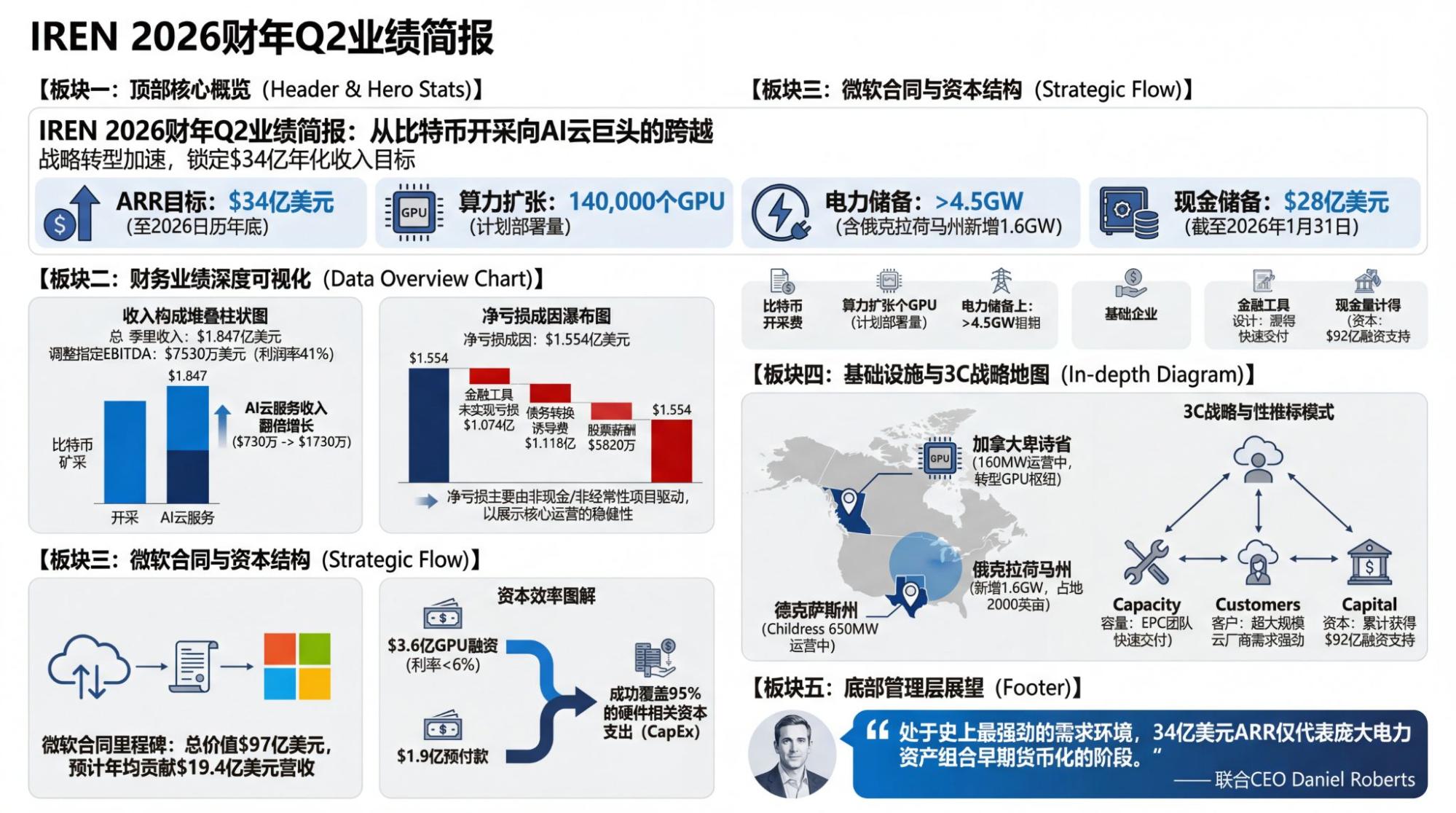
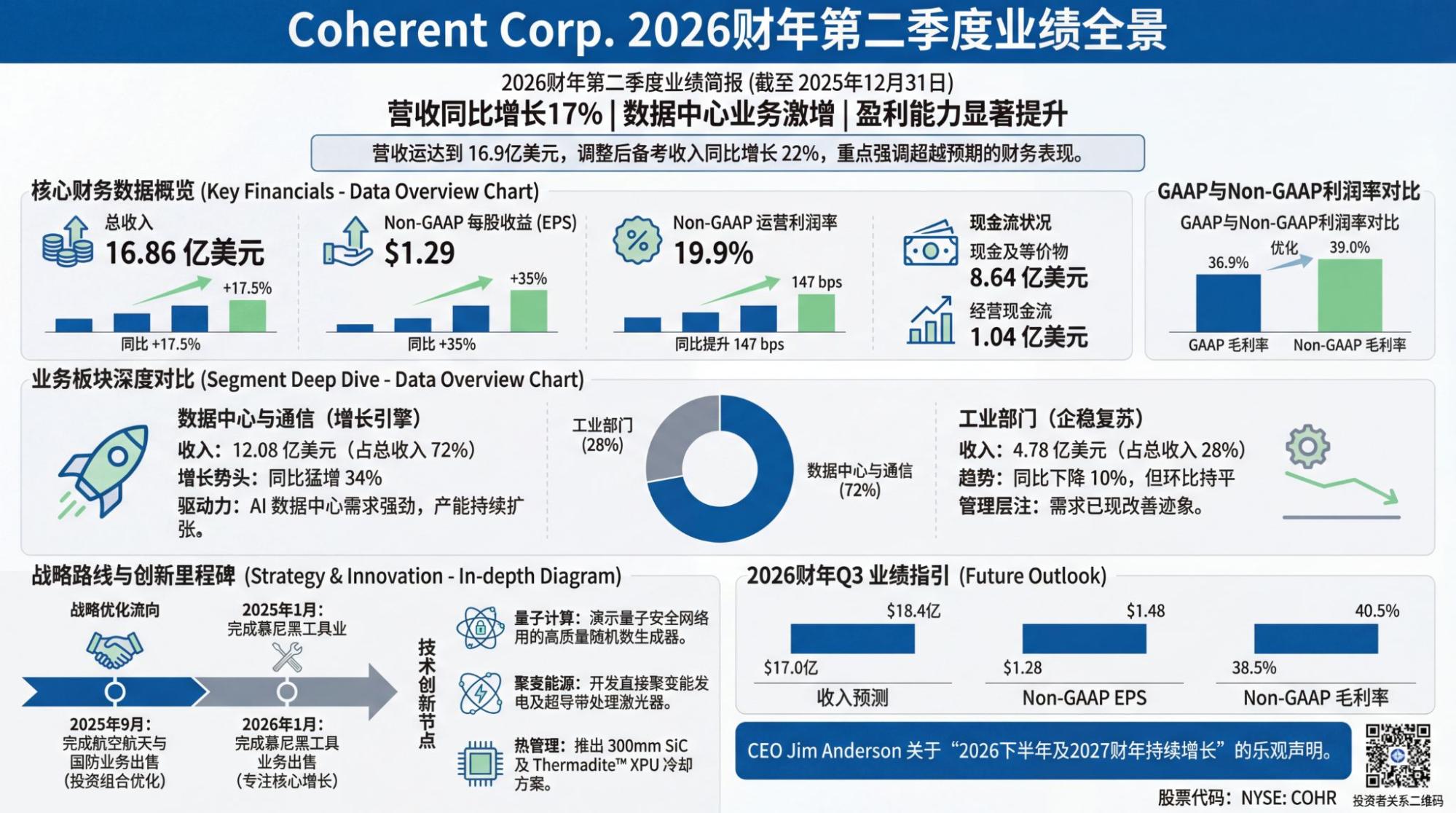
The visualizations above cost $1 each, totaling $8. Why mention this? It will be relevant when I update my viewpoints below.
For the sake of brevity, in each section below, I will primarily state my viewpoints without providing extensive arguments (after all, even seemingly complete arguments do not necessarily lead to correct conclusions).
1. Market "Punishment" of Capital Expenditure Plans Exceeding Expectations
Even Google, whose performance significantly exceeded expectations, was "voted down" by the market due to its high capital expenditure plans; Amazon and Microsoft were no exceptions. Nevertheless, my view is split into two parts: first, these capital expenditure plans are necessary. The ability of these large enterprises to "bet the farm" by exhausting all free cash flow is actually quite commendable. Second, the actual percentage of execution needs observation. Management will certainly propose the maximum "possible budget," but various bottlenecks and price hikes in the industry chain will ultimately have a massive impact on the progress of implementation. Therefore, there is no need for excessive pessimism regarding "spending plans."
2. Is Spending This Much Money Necessary?
From a technical perspective, I never doubt the necessity of such expenditure. Here I mention the $8 cost again—how is that cost? I would say it's expensive because I want a price that is one-tenth or even one-hundredth of that, which would mean producing ten or a hundred times more for the same cost. Currently, there are only two obstacles in my way, the most important of which is cost. How do we reduce costs? By big tech companies throwing money at it "endlessly." You must lower costs through continuous investment. Those investments might not yield sufficient revenue returns initially, but they must be spent—not just for the "ticket to the game," but for a "tempting" future. Quite counter-intuitive, isn't it?
3. AI Disrupting the Software Industry
I have been talking about this for three years. From a technical level and my own "ambition," this is only the beginning. Previously, hiring someone to make a poster like the ones above was expensive; now, one costs only $1 and takes just a few minutes. Such points of disruption can be found in every industry. However, I want to say that AI is not just disrupting the software industry, but the entire information services industry—software is just one part. Consulting, data services, and so on—the market has already reacted to these. I must repeat: this is just the beginning. However, if we change our perspective, what remains useful in such a massive wave of transformation? The volume of information, far exceeding that of the human era, will always need to be stored and processed. AI can schedule it, but storage and processing (the basic tools AI invokes) remain at the core. As the volume of information rises exponentially, security challenges will also rise exponentially. These two points are what I have repeatedly mentioned over the past few years, and they have not changed.
4. The Storage Super-Cycle and CPU Price Hikes
If we follow the previous point and recognize the exponential increase in information storage and processing, the value of storage and CPUs lies right there. Simply put, exponentially increasing tasks need to be scheduled and processed, much of which is handled by the CPU. The GPU handles model training and inference, with the inference part seen as execution. Thus, when physical space and power supply are extremely limited, to process quickly, one needs multi-task scheduling from the CPU first, followed by the execution performance of the GPU. The latter consumes memory bandwidth and then KV-Cache optimization (though I am not optimistic about Nvidia's NVL144 CPX solution, it is a possible optimization path). Furthermore, as "hot data" increases, the importance of SSDs will rise; as total data increases, the importance of HDDs will also rise. However, the root cause of this increased importance is that whether it is processors (CPU, GPU), memory, SSDs, or HDDs, they are at least oligopolies.
Monopoly and cost reduction seem contradictory. If we view AI as a holistic system (which it must be), who can raise prices and who cannot is a game of slicing the cake. There are too many participants in the capital market, and most cannot view this massive issue systematically, leading to significant "fallacies of composition."
Simply put, the storage super-cycle is certainly still ongoing. But if we look at the investment value-for-money of companies in the chain through the lens of "slicing the cake," after a period of "crazy growth," the cost-performance ratio has dropped significantly. After all, the ones with the most say right now are not them, but Nvidia and Google.
5. NeoCloud and Cryptocurrency
I have always had significant doubts about the profitability of NeoCloud, and that hasn't changed. In the context of price hikes across the entire chain, their "contractor" model, which relies entirely on locked upstream and downstream contracts, faces even greater challenges. Of course, some argue their software stacks have advantages, execution is fast, and they may benefit from the long-term positive of declining financing costs. These may exist in stages. However, comparing IREN's financial report with Microsoft's yields a "strange flavor": they look very much like "contractors" for large CSP vendors, yet they are the ones with the most asset-heavy operations. I never doubt that they might have good elasticity when sentiment is high, but they have zero risk resistance. In fact, they themselves are the risk buffer pads for the big tech giants.
The rapid decline in cryptocurrency has accelerated the AI transition for NeoCloud companies like IREN. In the short term, this is indeed conducive to the deployment of AI computing power. However, if we look at the future data center plans and progress descriptions of various companies, it feels like building new data centers just cannot be sped up—at least not matching the continuously increasing Capex.
6. Two Worlds: Fire and Ice
The more the digital world advances by leaps and bounds, the more frustrated one feels with the real world. Our generation was raised in an era of industrial standardization. We were imposed with "processes," "systems," and even so-called investment frameworks that seem to require "following the steps," otherwise, one is easily punished. However, with the emergence of internet platforms, blockchain, and cryptocurrency, people have begun to experience a degree of "isolation." Now, in the AI era, this is even more pronounced—it's like a clustering algorithm with a large K-value. "Standardization" and "professionalism" brought us many benefits (globally), but now we are entering the end-game. The current panic in the software industry is the best evidence of this. "Anxiety" is the most obvious emotion I sense from many people around me. However, social development always provides answers. If we believe this world is real, perhaps everything today is just telling us to live more like "humans": unconstrained, unafraid of mistakes, and interesting. If we believe this world is virtual, then each of us is the protagonist of our own world and needs to live more willfully. Even if the text you see now is exactly the same as what I am writing, "I" am just a piece of code in your world, code attempting to influence your "self." Whether you accept it or not is unimportant; the "self" is what matters most.
I actually have many more "feelings," but this is all I can think through, connect, and write down at this moment. Let's stop here.
PS: The night before last, I "begged" everyone to share this more to observe certain mechanisms. Now I basically have my answer and have let most of it go. So, we should just continue as we were. Again, whether this world is real or not, we should be a bit more "selfish" (focused on the self).