Main Content
[Preface]
Autumn is usually warm-toned, but behind certain specialized glass, it takes on a cool, profound texture.
For this shoot, I used an extremely niche combination: the Leica S (Typ 006) paired with the Hasselblad UV-Sonnar 105mm f/4.3.
When Leica's legendary Kodak CCD medium format sensor meets this Zeiss scientific lens—crafted from quartz and fluorite and originally designed to capture invisible light (ultraviolet)—the originally rich autumn colors are imbued with an almost "perfectionist" level of pure resolving power.
This isn't a typical autumn snapshot; it's an optical chemical reaction.
Chapter 1: The Penetration of Quartz Glass
The UV-Sonnar was not designed to please the human eye, but to accurately capture the spectrum. This uncompromising optical structure reveals startling sharpness and separation when capturing the leaf textures in visible light.
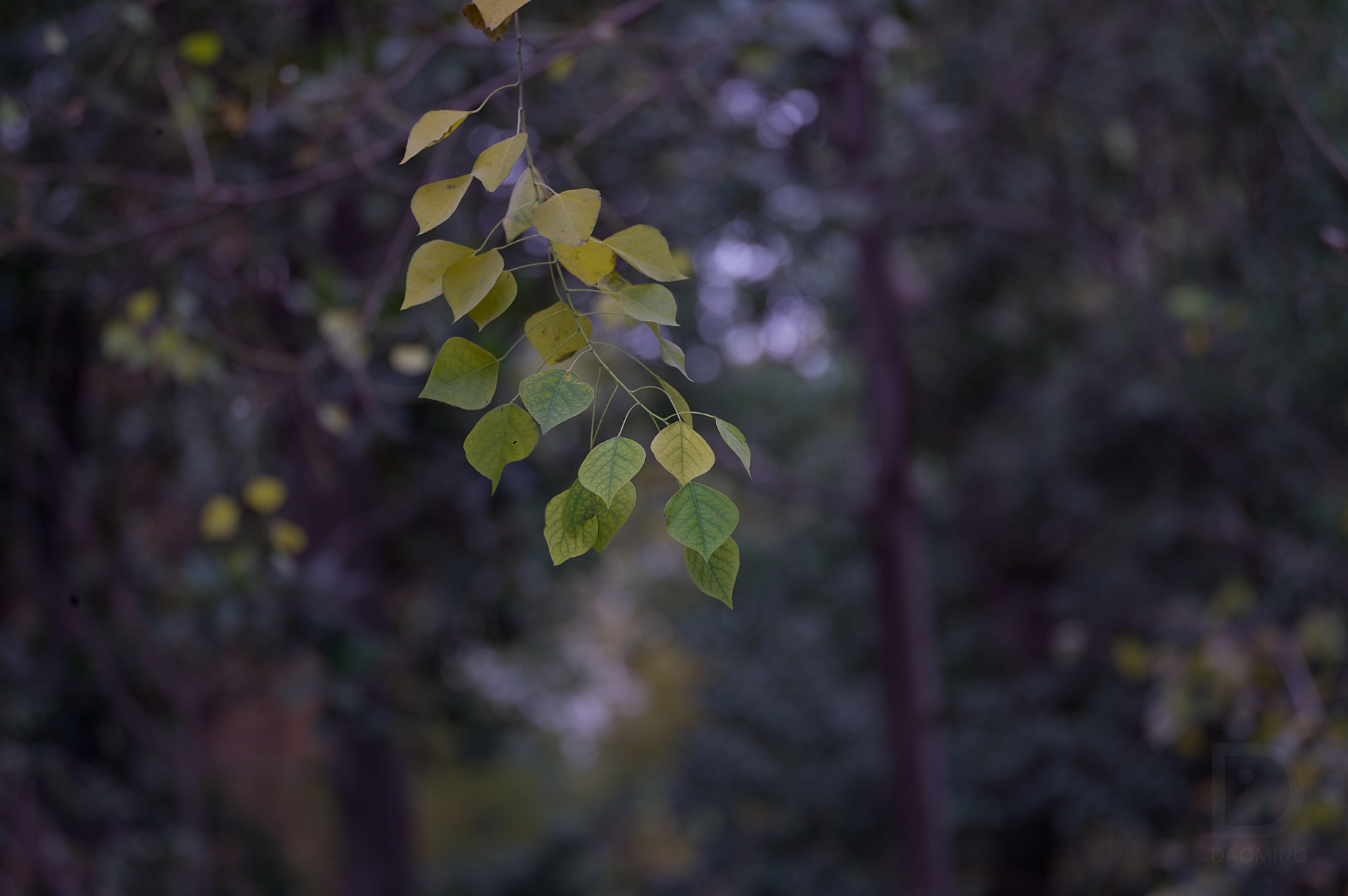
(Insert Image 1: LEICA S (Typ 006)_L1006034.jpg - Drooping leaves with green-to-yellow gradient)
The unique light transmission of the UV-Sonnar makes the green-to-yellow transition of these leaves appear exceptionally transparent. There is no excessive rendering typical of modern lenses, only the piercing realism brought by quartz glass.
(Insert Image 2: LEICA S (Typ 006)_L1006041.jpg - Sparse yellow young leaves)
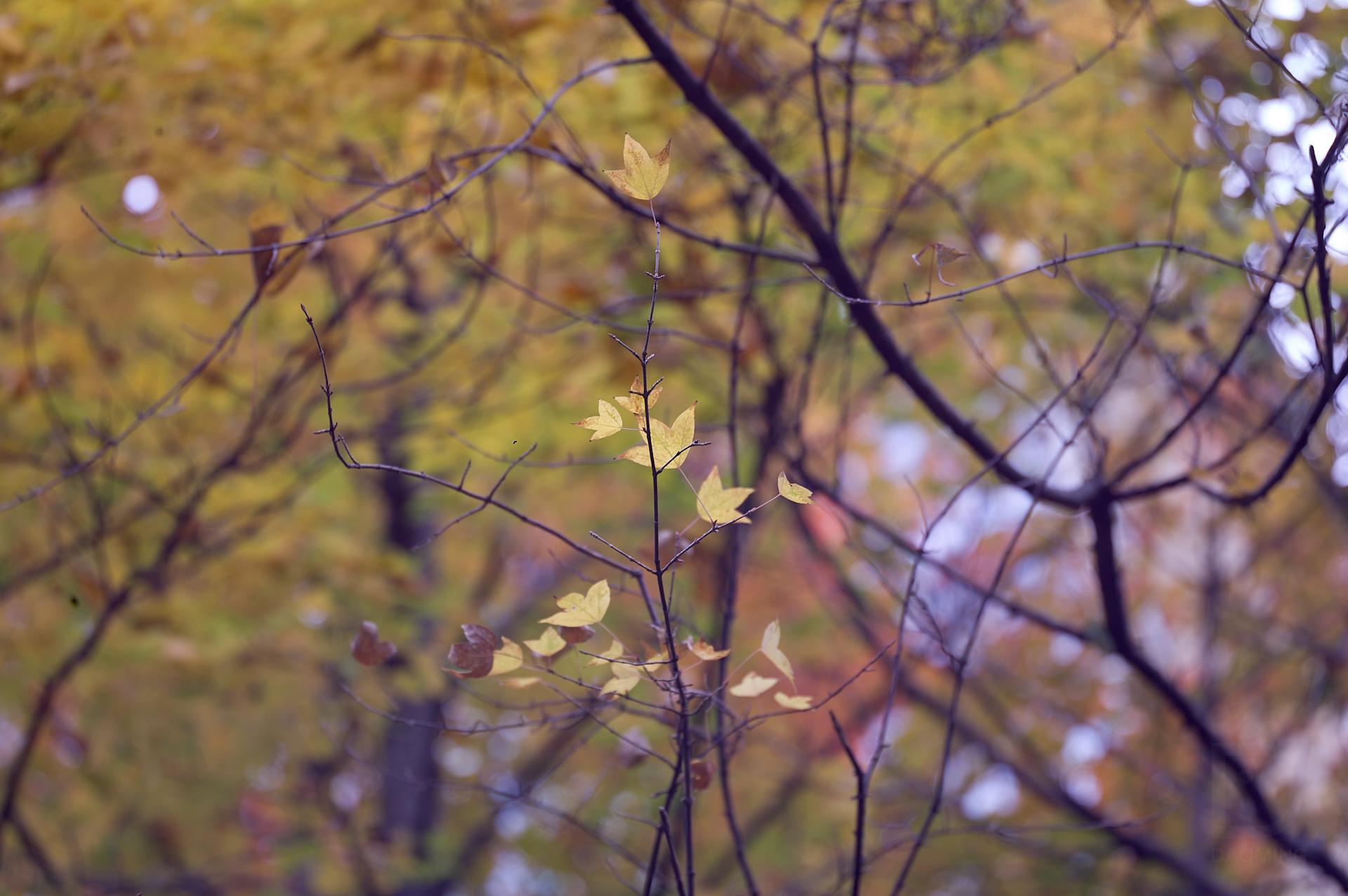
The 105mm focal length combined with the medium format field of view creates a unique sense of spatial compression. The edges of every leaf are as sharp as a blade's edge, as if one could hear the autumn wind slicing through the glass.
Chapter 2: The Ultimate Interpretation of CCD Color
The Leica S 006's CCD sensor has always been hailed as the "film camera of the digital back era." Its expression of red is steady, heavy, and oily—it never oversaturates, offering only a bottomless richness.
(Insert Image 3: LEICA S (Typ 006)_L1006031.jpg - Red and yellow maple leaves)
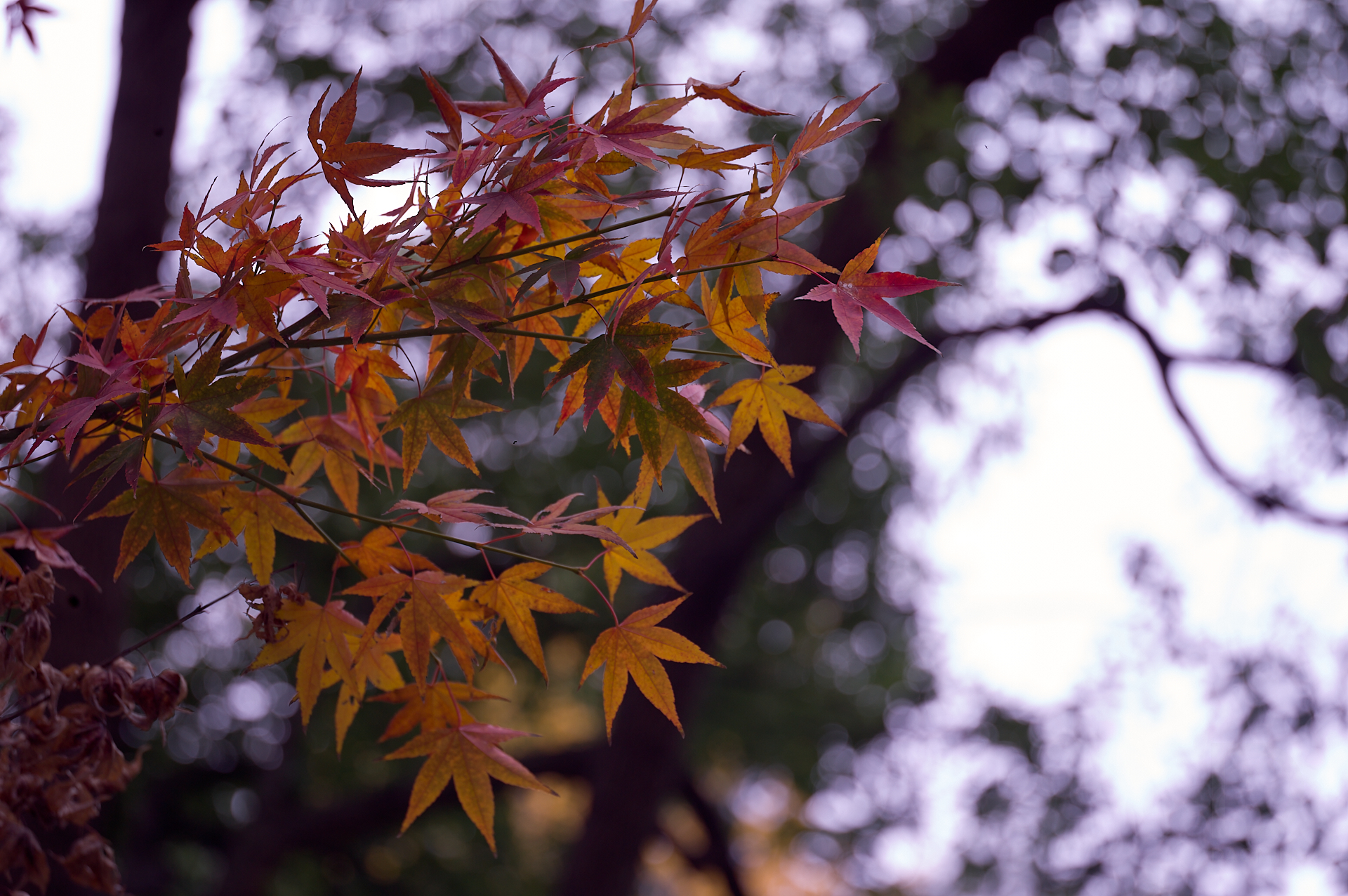
The bokeh of a Sonnar structure usually possesses a unique rhythm. In this image, the background highlights are handled with restraint and softness, perfectly complementing the oil-painting-like color density of the foreground red leaves.
(Insert Image 4: LEICA S (Typ 006)_L1006026.jpg - Red leaves in a left-right composition)
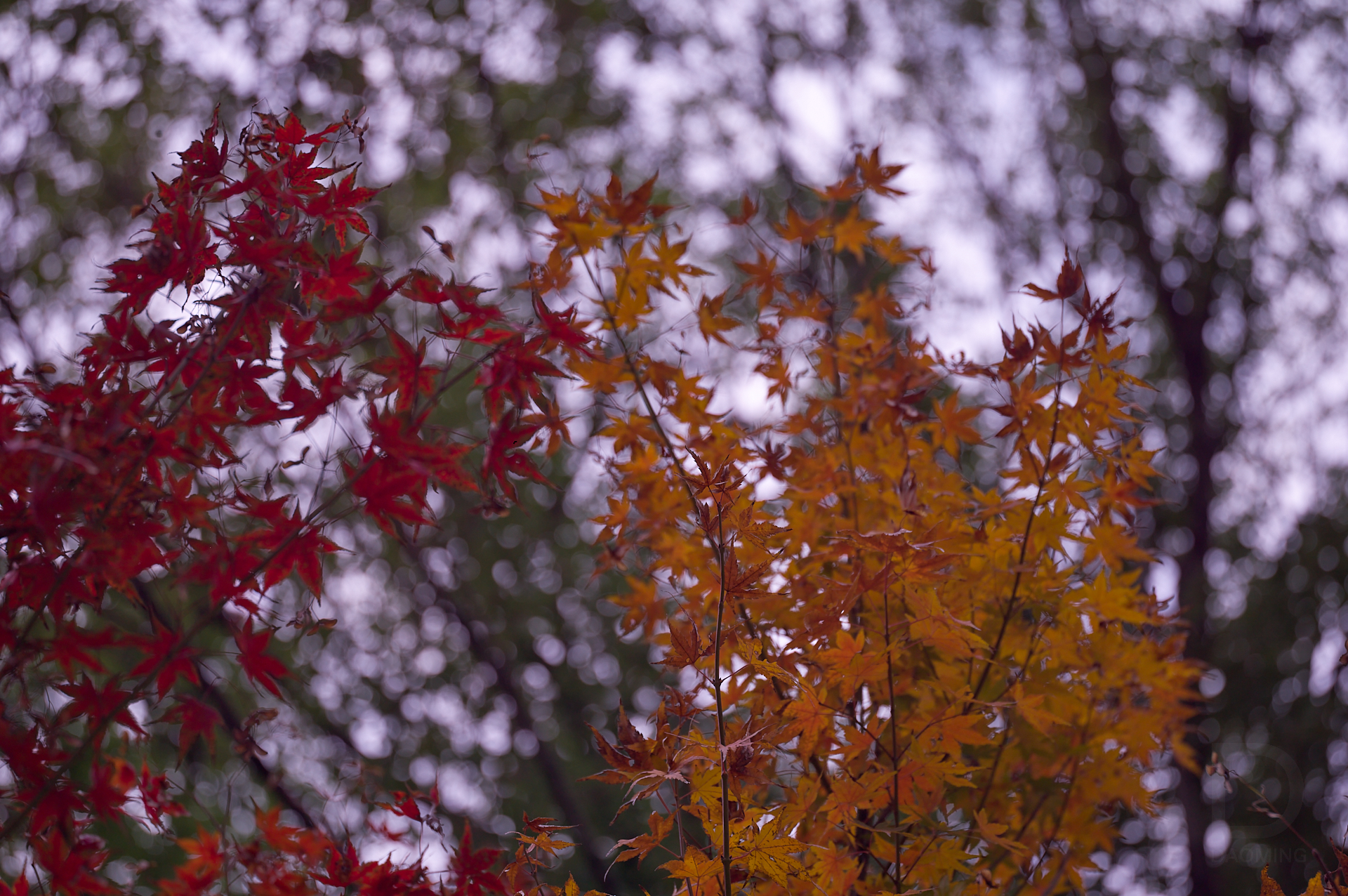
Red on the left, brown on the right. Under the CCD's dynamic range, there is very little color banding. Even in the complex shadows of the forest, the UV-Sonnar faithfully reproduces every minute chromatic difference between light and dark.
(Insert Image 5: LEICA S (Typ 006)_L1006056.jpg - Dense red leaves)
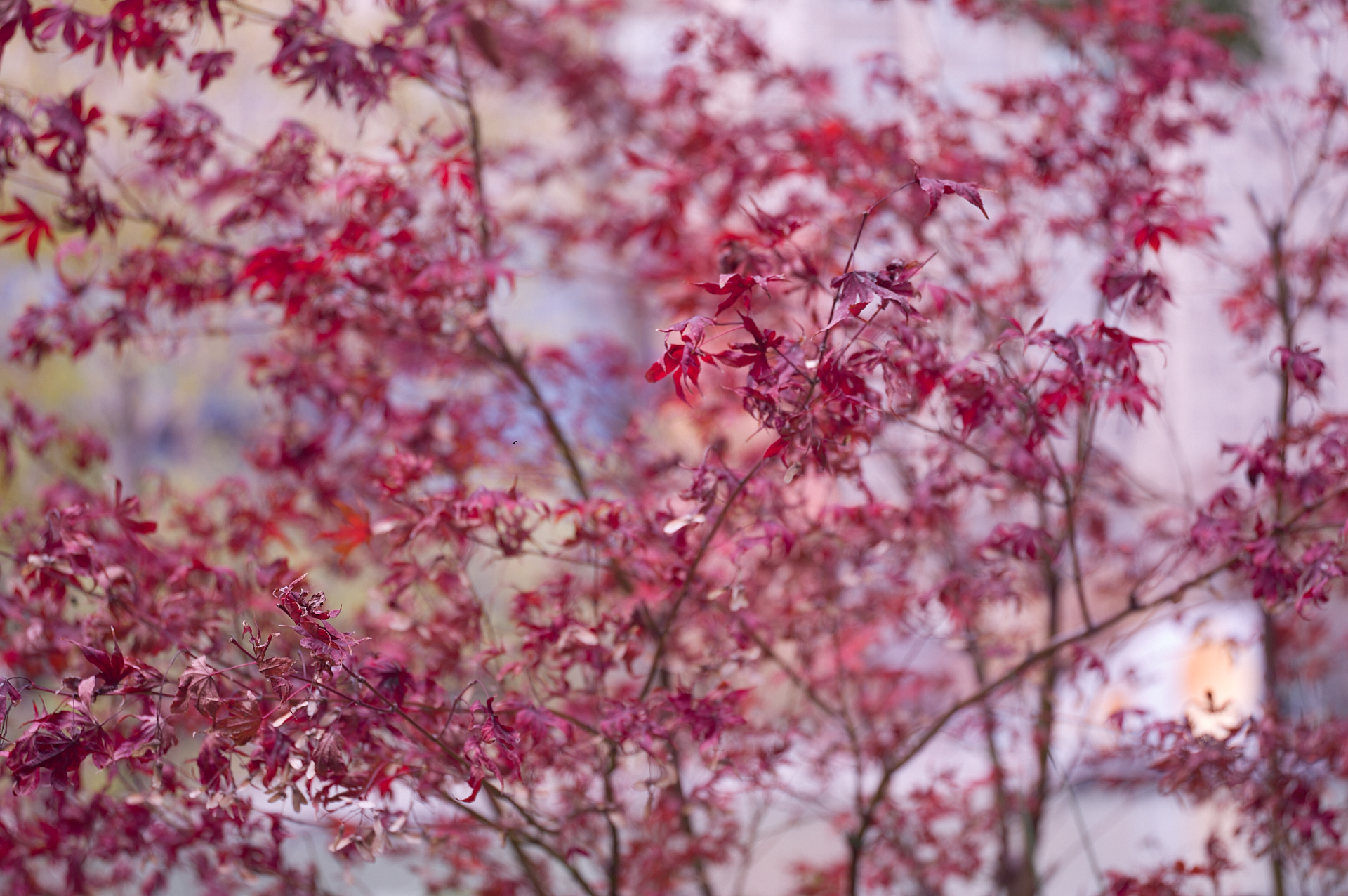
(Insert Image 6: LEICA S (Typ 006)_L1006058.jpg - Red leaves with soft focus)
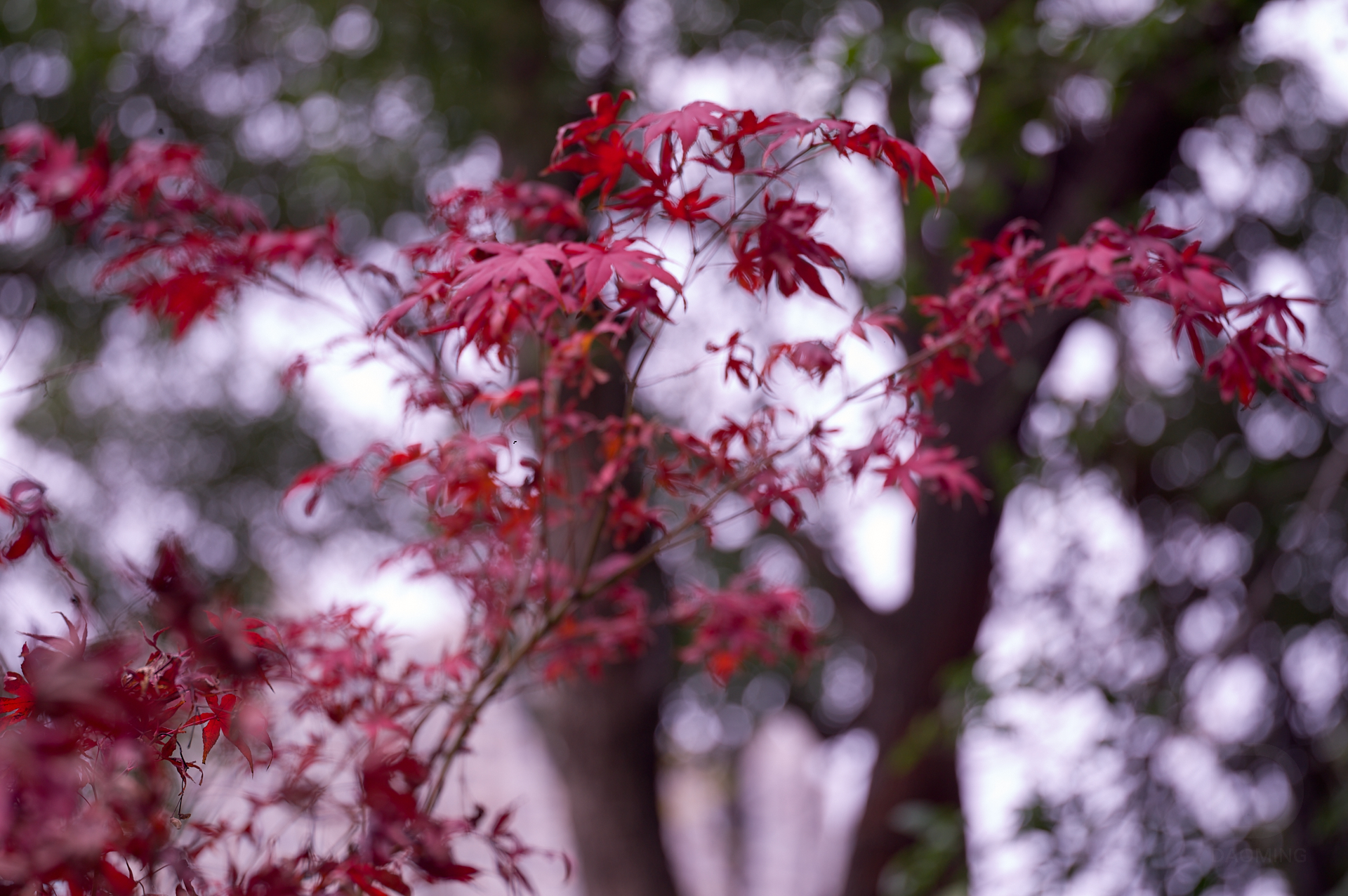
This touch of red is the exclusive memory of the Kodak CCD. It is not gaudy, yet it is breathtaking. The special lens element structure gives the out-of-focus reds a sort of glowing "airiness."
Chapter 3: The Intersection of Classicism and Science
When a lens born for science faces ancient architecture and nature, it discards affectation, leaving only structure and order.
(Insert Image 7: LEICA S (Typ 006)_L1006019.jpg - Yellow leaves with blue tile background)
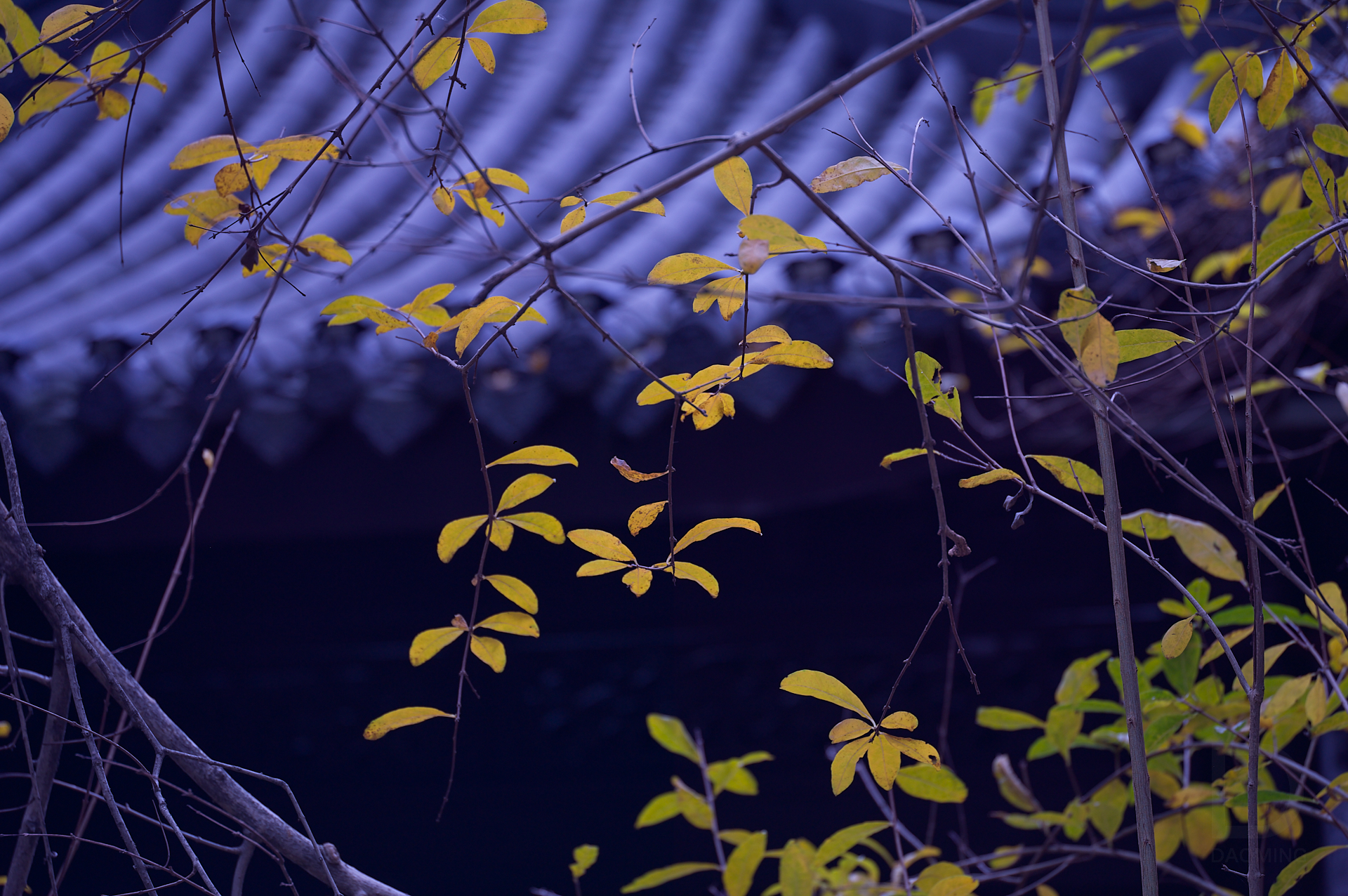
The cool tones of the blue tiles meet the warm tones of the yellow leaves. The UV-Sonnar's special sensitivity to the purple/blue spectrum seems to add a layer of mysterious deep blue to the background shadows, forming an exquisite complement to the foreground.
(Insert Image 8: LEICA S (Typ 006)_L1006032.jpg - Low-angle perspective)
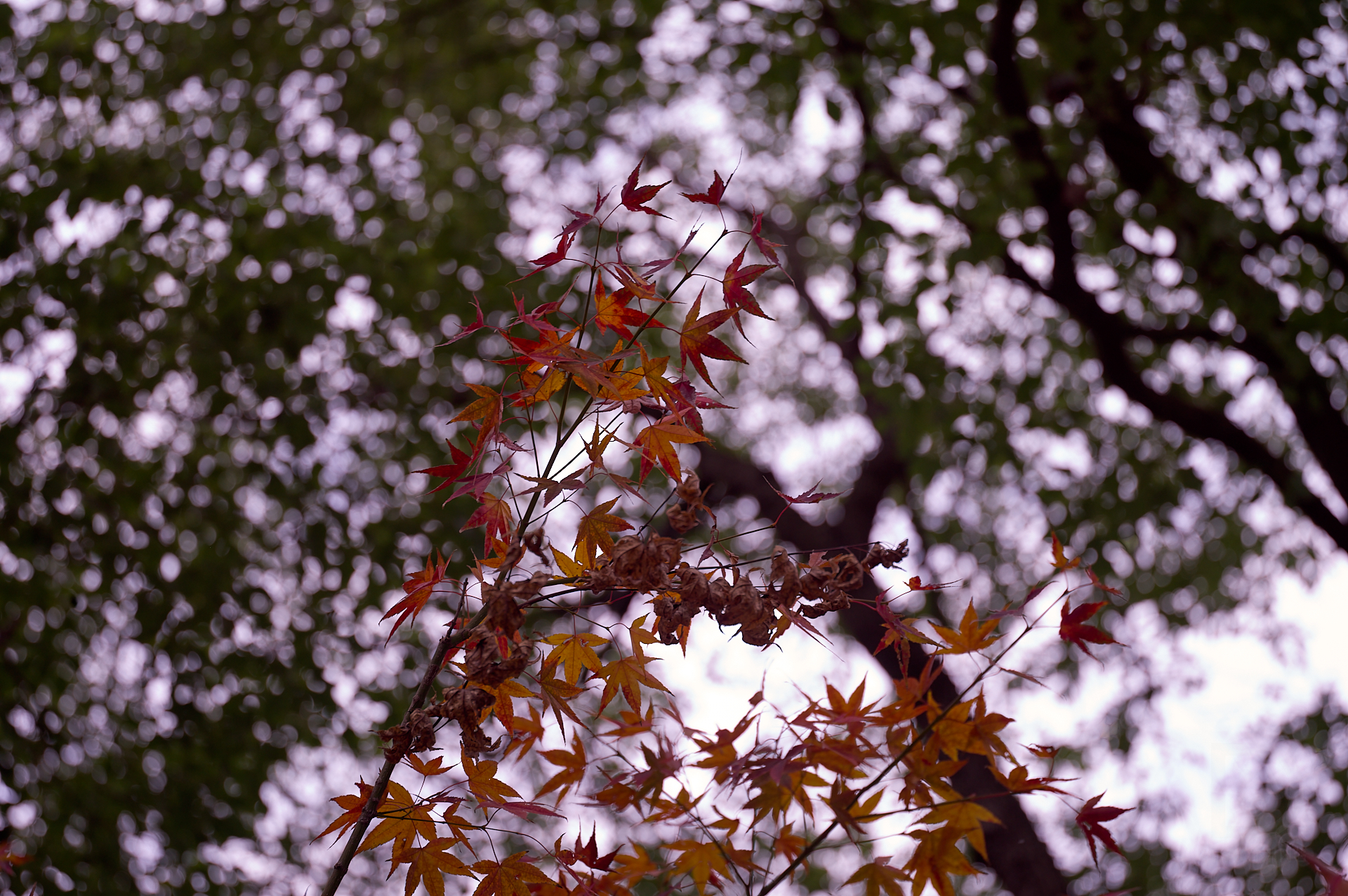
Looking up at the canopy, it is intricate but not chaotic. The image field of this lens is extremely flat; even at the edges, the details of the leaves remain meticulous.
Chapter 4: The Final Gaze
(Insert Image 9: LEICA S (Typ 006)_L1006059.jpg - A single withered leaf)
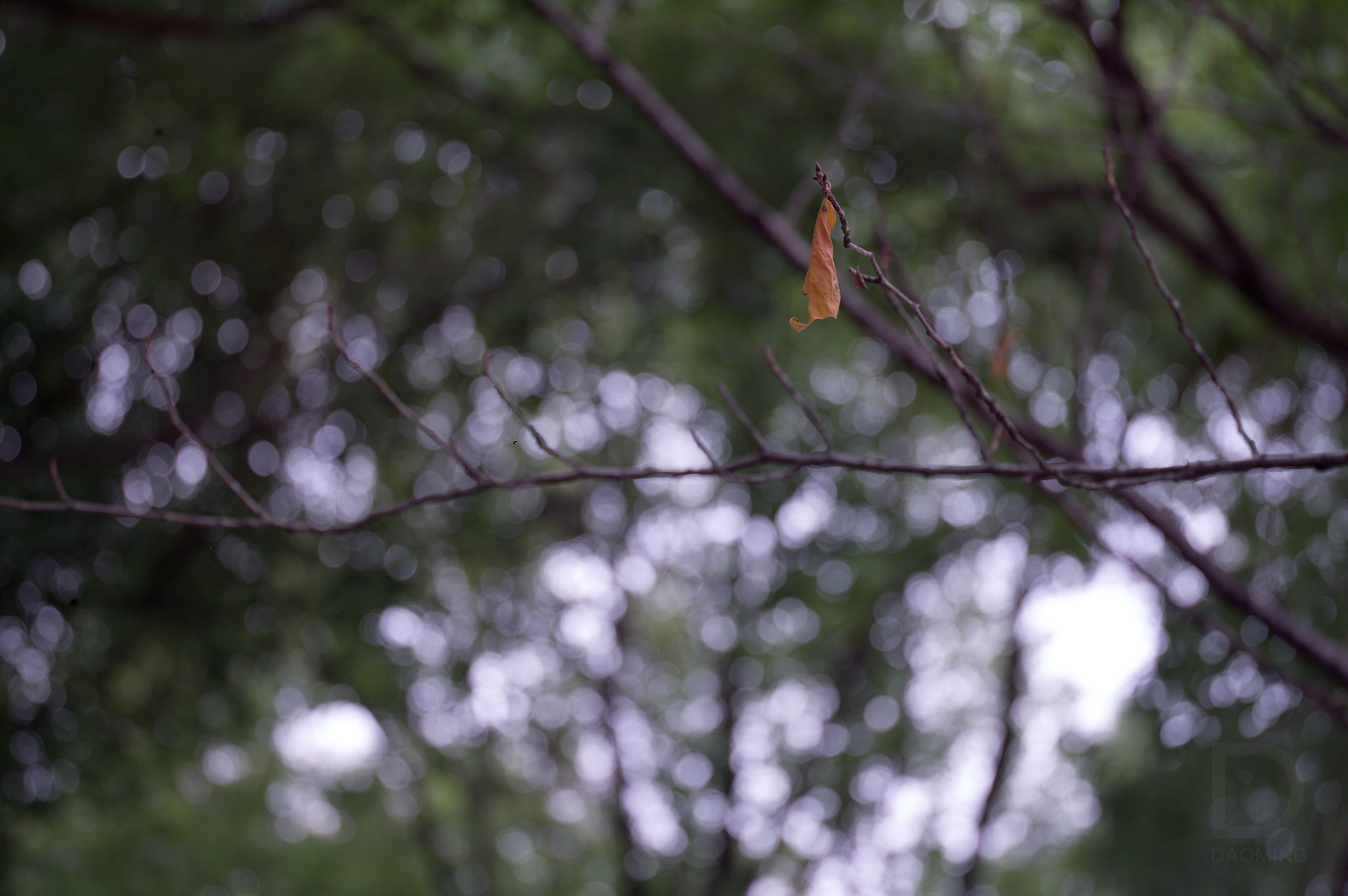
Wide open aperture. The texture of the withered leaf in focus is vividly revealed, thanks to the quartz elements; while the creamy, melting bokeh is the gentleness of the Leica S's large sensor. This withered leaf seems to be suspended in a rift of time and space.
[Equipment Postscript]
Body: Leica S (Typ 006) —— The final glory of CCD, with irreplaceable color depth.
Lens: Hasselblad UV-Sonnar 105mm f/4.3 —— A legendary lens originally used for ultraviolet photography. Uncemented, with quartz and fluorite elements; the world in its eyes is purer than what we see.
Using a rational scientific lens to record an emotional late autumn—this is perhaps the ultimate romance for a gear enthusiast.
#LeicaS #Leica #Hasselblad #Zeiss #UVSonnar #CCD #MediumFormat #VintageLens #AutumnPhotography #LeicaPhotography